The best rotary tools for automotive work help tackle precise jobs that larger power tools cannot: trimming fasteners, cleaning corrosion, smoothing edges, polishing tight areas, and modifying small parts. The right model depends on the materials you work with, available power, and whether portability or sustained performance matters most.
Our roundup includes compact cordless tools, versatile rotary kits, an inline die grinder, and a full-size buffer polisher. Use the guide below to compare power, speed control, accessories, ergonomics, and the features that matter most in a garage or workshop.
Best 10 Rotary Tools for Automotive Work Picks for 2026
Best Cordless Pick
Milwaukee 12V Cordless Rotary Tool

- Cordless 12V operation
- 5,000-32,000 RPM variable speed
- Compact 1.3-pound design
Best For: Mobile automotive repairs and confined-area work
Best for Paint Correction
LDHTHOPI 1600W Buffer Polisher

- 1600W motor for paint restoration
- Seven speeds from 1,000-3,500 RPM
- Includes multiple pads and handles
Best For: Large-area automotive polishing and waxing
Best Die Grinder Alternative
Milwaukee M12 FUEL Inline Die Grinder

- 0.3 HP cordless motor
- Four RPM modes plus trigger control
- 24,500 RPM maximum speed
Best For: Cordless automotive metal grinding and cutting
Best Complete Kit
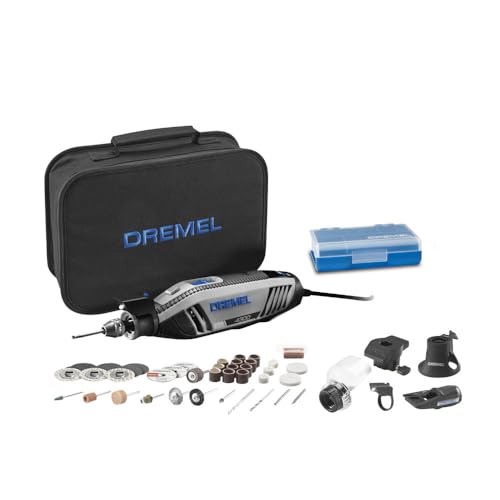
- Five attachments and 40 accessories
- 5,000-35,000 RPM variable speed
- Pivot light for tight work areas
Best For: DIY users wanting a versatile all-in-one kit
Compact Cordless Pick
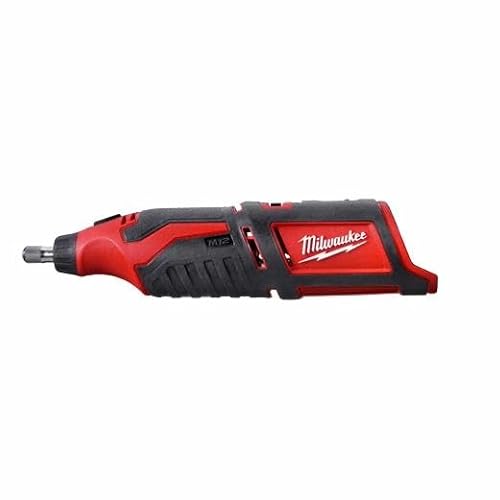
- Cordless 12-volt design
- 5,000–32,000 RPM variable speed
- Lightweight 14.4-ounce body
Best For: Portable automotive detailing and light repair work
High-Power Corded Pick

- 1.6-amp corded motor
- 5,000–35,000 RPM range
- 32 accessories and two attachments
Best For: Extended garage sessions and varied detail work
Accessory-Heavy Value Pick

- 2.0Ah battery included
- Five speeds up to 32,000 RPM
- 114 accessories and carrying bag
Best For: DIY automotive tasks and versatile portable projects
Versatile Corded Pick
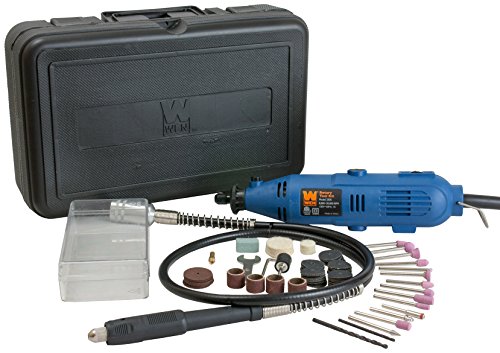
- 8,000–30,000 RPM variable speed
- 80-piece accessory set included
- Flex shaft for precision work
Best For: Garage users needing a versatile corded tool for detail work
Portable Detail Pick
Fanttik F2 PRO Cordless Rotary Tool

- Cordless 5,000–25,000 RPM operation
- 3,000mAh battery with variable runtime
- LED light and 55 accessories
Best For: Mobile detail work and lighter automotive repairs
High-Power Workshop Pick
200W 38,000-RPM Rotary Tool Kit
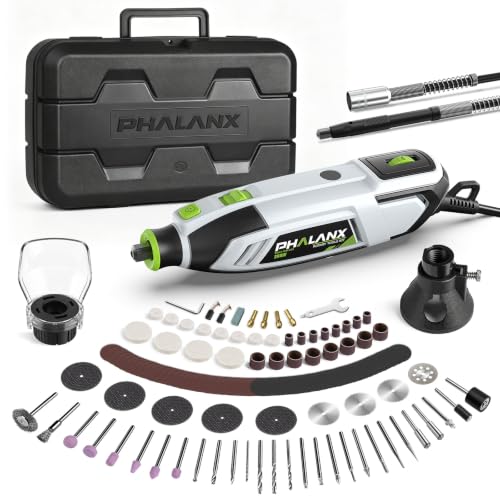
- 200W motor with 10,000–38,000 RPM range
- Keyless chuck and four collets
- 132 accessories plus flex shaft
Best For: Workshop users handling varied cutting, grinding, and polishing tasks
Best Cordless Pick – Milwaukee 12V Cordless Rotary Tool
For rotary tools for automotive work, the Milwaukee 12V cordless model is a convenient choice when portability and access matter. Its 5,000-32,000 RPM variable-speed range supports cutting, grinding, sanding, and polishing, while the compact 1.3-pound design is easier to maneuver in confined areas.
Best For: Mobile automotive repairs and detail work where cordless access and a compact body are priorities.
Pros:
- Cordless 12V design eliminates the need for a power cord during use.
- Variable speed from 5,000 to 32,000 RPM supports different materials and tasks.
- Uses a standard 1/8-inch collet compatible with current rotary tool accessories.
- Protected front bearing and grinder-style exhaust ports are designed for durability.
Cons:
- Battery-powered operation depends on the included lithium-ion battery.
- Supplied components are limited to a wrench, instruction guide, cutting wheel, and mandrel.
This Milwaukee is a strong fit for automotive users who value freedom from hoses and cords. Its compact size and broad speed range make it versatile, though users needing a larger accessory selection may need to purchase additional attachments.
Best for Paint Correction – LDHTHOPI 1600W Buffer Polisher
Among rotary tools for automotive work, the LDHTHOPI buffer polisher is aimed at larger paint-care jobs rather than fine-detail grinding. Its 1600W motor, seven speed settings, and included wool and foam pads support sanding, waxing, scratch removal, and polishing on vehicle surfaces.
Best For: Car paint correction, oxidation removal, waxing, and polishing across larger surfaces.
Pros:
- 1600W motor provides power for oxidation, scratches, and stains.
- Seven adjustable speeds range from 1,000 to 3,500 RPM.
- Can be used directly or with the included D-handle or side handle.
- Includes multiple wool, foam, and polishing pads for different finishes.
Cons:
- Corded 110V operation limits portability compared with cordless tools.
- The manufacturer advises limiting continuous operation to 15 minutes and cooling for 5 minutes.
- Its 7-inch format is less suited to tight spaces and small precision tasks.
This model makes the most sense when the job involves broad painted panels and finish restoration. The selection of pads adds flexibility, but its size, cord, and recommended cooling breaks should be considered for extended detailing sessions.
Best Die Grinder Alternative – Milwaukee M12 FUEL Inline Die Grinder
The Milwaukee M12 FUEL inline die grinder is a specialized option for rotary tools for automotive work involving cutting, grinding, and polishing. Its 0.3 HP motor, 24,500 RPM maximum speed, and cordless M12 platform provide pneumatic-style access without a compressor or air hose.
Best For: Cordless metal grinding, cutting, and polishing where a slim inline tool can improve access.
Pros:
- 0.3 HP motor is rated to outperform pneumatic grinders by 20 percent.
- Four-mode RPM control and a variable-speed trigger provide speed management.
- Cordless design removes the need for hoses and compressors.
- Lightweight 1.2-pound body is suited to handheld work.
Cons:
- The tool is supplied as a tool-only model, so a compatible M12 battery may be needed.
- Its 1/4-inch collet format is different from the 1/8-inch collet used by many general rotary tools.
- It is focused on die-grinder tasks rather than a broad accessory kit.
This is the focused choice for users who need die-grinder performance in a cordless package. Its controls and narrow form favor metalwork and access, while buyers seeking sanding or engraving accessories will need to source them separately.
Best Complete Kit – Dremel 4300 Rotary Tool Kit
For shoppers wanting a broad setup for rotary tools for automotive work, the corded Dremel 4300 kit combines variable speed with five attachments and 40 accessories. Its 5,000-35,000 RPM range can handle sanding, grinding, cutting, and polishing-related tasks, while the pivot light helps illuminate hard-to-reach areas.
Best For: DIY users who want one versatile rotary tool kit for automotive detailing, light fabrication, and general workshop tasks.
Pros:
- Includes five attachments and 40 genuine Dremel accessories.
- Electronic feedback helps maintain consistent performance across the 5,000-35,000 RPM range.
- Universal three-jaw chuck accepts Dremel accessory shank sizes.
- Pivot light, replaceable brushes, and airflow features support convenient long-term use.
Cons:
- Corded 120V operation requires access to an outlet.
- The kit is more general-purpose than specifically automotive-focused.
- The included storage bag or case may vary according to the supplied notes.
The Dremel 4300 is the most complete option here for buyers starting from scratch. Its accessory variety and attachments broaden its usefulness, although users prioritizing cordless portability may prefer one of the Milwaukee models.
Compact Cordless Pick – Milwaukee M12 Rotary Tool
For automotive work where portability matters, the Milwaukee 2460-20 is a compact cordless option for cutting, grinding, polishing, and sanding. Its variable-speed range reaches 32,000 RPM while the pencil-style design weighs just 14.4 ounces.
Best For: Mobile automotive touch-ups, light cutting, polishing, and detail work where a cord would get in the way.
Pros:
- Cordless 12-volt design supports portable work.
- Variable speed from 5,000 to 32,000 RPM.
- Compact, lightweight pencil-style body.
- Includes a five-year manufacturer warranty.
Cons:
- Sold as a bare tool with no battery or accessories listed.
- Its 12-volt platform may be less suitable for extended heavy-duty work.
This is a practical choice for users already invested in Milwaukee’s compatible cordless system. Plan on supplying the battery and the accessories needed for your specific automotive tasks.
High-Power Corded Pick – Dremel 4000 Rotary Tool Kit
The Dremel 4000-2/32 is a corded option for rotary tools for automotive work when consistent power and a broad accessory selection are priorities. Its 1.6-amp motor runs from 5,000 to 35,000 RPM and the kit includes two attachments plus 32 accessories.
Best For: Garage users handling repeated cutting, deburring, grinding, polishing, sanding, and detail work near a power outlet.
Pros:
- 1.6-amp motor provides power across the speed range.
- Electronic speed control helps maintain consistent speed under demanding applications.
- 360-degree grip zone supports control during extended sessions.
- Includes two attachments and 32 accessories.
Cons:
- Corded operation limits mobility around a vehicle.
- The kit’s 120-volt design requires access to an outlet.
- Two-year limited warranty is shorter than the Milwaukee option’s listed warranty.
Choose this kit when sustained, controlled operation matters more than cordless convenience. Its included accessories make it easier to begin a range of garage and automotive detailing tasks without assembling a kit piece by piece.
Accessory-Heavy Value Pick – WORKPRO 12V Rotary Tool Kit
The WORKPRO 12V kit is a flexible cordless choice for automotive work and general maintenance. It offers five speed settings from 7,500 to 32,000 RPM, a 2.0Ah lithium-ion battery, and 114 accessories for sanding, grinding, cutting, polishing, engraving, and drilling.
Best For: DIY users who want a ready-to-use cordless kit for light automotive repairs, surface preparation, polishing, and small detail projects.
Pros:
- Includes a 2.0Ah battery and storage bag.
- Five selectable speeds suit different materials and tasks.
- 114 accessories provide broad project coverage.
- Lightweight 1.4-pound body is designed for portable use.
Cons:
- Its minimum speed of 7,500 RPM is higher than the other listed models.
- The kit is positioned for DIY and craft use rather than specifically heavy-duty automotive work.
- The battery should be recharged every three to six months when stored infrequently.
This kit stands out for convenience: it includes the battery, accessories, and carrying bag needed to start immediately. It is a sensible fit for occasional automotive tasks, especially when portability and accessory variety outweigh the need for sustained high-load operation.
Versatile Corded Pick – WEN 2305 Rotary Tool Kit
For automotive tasks that benefit from steady corded power, the WEN 2305 is a practical choice among rotary tools for automotive work. Its variable-speed range and included flex shaft support jobs such as deburring, sanding, polishing, shaping, and detail work.
Best For: Garage users who want an affordable corded rotary tool with broad accessory coverage and a flex shaft for precision tasks.
Pros:
- Variable speed from 8,000 to 30,000 RPM
- Includes 80 accessories for cutting, sanding, polishing, grinding, and drilling
- Flex shaft helps with intricate detail and precision
- Onboard spindle lock enables quicker bit changes
Cons:
- Corded design requires access to a 120-volt outlet
- Included collets are limited to 2.3mm and 3.2mm sizes
The WEN 2305 offers a useful balance of control, accessories, and detail capability for general automotive maintenance and shop projects, provided a corded tool suits your workspace.
Portable Detail Pick – Fanttik F2 PRO Cordless Rotary Tool
The Fanttik F2 PRO brings cordless convenience to rotary tools for automotive work, especially when removing rust, sharpening blades, polishing, or handling small repair details away from an outlet. Its five speed settings, LED lighting, and compact design emphasize control and portability.
Best For: Mobile automotive work and detailed tasks where a compact cordless tool, onboard lighting, and organized accessories are useful.
Pros:
- Five speeds from 5,000 to 25,000 RPM
- 3,000mAh battery provides approximately 20–120 minutes of use depending on task and speed
- Front shadow-free LED improves visibility
- Includes 55 accessories in a rotating magnetic holder and case
Cons:
- Battery runtime varies considerably with material and speed
- Maximum speed is lower than the corded 30,000- and 38,000-RPM options here
- Compact 4-volt design may be better suited to detail work than demanding heavy-duty removal
With its cordless format, accessory organization, and visibility features, the F2 PRO is a convenient choice for portable automotive detailing and lighter repair tasks.
High-Power Workshop Pick – 200W 38,000-RPM Rotary Tool Kit
For demanding shop projects, this 200W model stands out among rotary tools for automotive work with six speed settings and a 10,000–38,000 RPM range. The flex shaft, keyless chuck, and large accessory kit make it suitable for cutting, grinding, sanding, polishing, drilling, and engraving.
Best For: Workshop users who prioritize high speed, broad accessory compatibility, and a comprehensive kit for varied automotive and DIY tasks.
Pros:
- Powerful 200W motor with speeds from 10,000 to 38,000 RPM
- Keyless chuck supports faster accessory changes
- Four included collets accommodate multiple shank sizes
- 132-piece accessory kit and flex shaft expand its versatility
Cons:
- AC-powered design is less convenient for work away from an outlet
- Minimum speed of 10,000 RPM may be less suited to very delicate low-speed tasks
- The extensive accessory set may be more than occasional users need
This kit is the strongest fit for users who want higher power and maximum versatility in a workshop rotary tool, particularly for heavier cutting, grinding, and material-removal jobs.
How We Picked the Best Rotary Tools for Automotive Work
We focused on tools that can handle common automotive tasks while remaining practical for home garages, mobile repairs, restoration work, and detailing. Our comparison considers power source, speed range, control, runtime or duty cycle, accessory compatibility, handling, and included equipment. We also separated precision rotary tools from larger polishers and die grinders, since they serve different purposes.
A broad accessory selection is useful, but compatibility matters more than the raw accessory count. Automotive users should be able to find suitable cutting wheels, carbide burrs, sanding drums, wire brushes, polishing points, and mandrels without relying on low-quality proprietary parts.
Quick Comparison
| Best For | What to Look For | Recommended Type |
|---|---|---|
| Detailing and paint correction | Large backing pad, variable speed, manageable vibration | Rotary buffer polisher |
| Grinding and metal removal | Higher torque, durable collet, strong cooling | Die grinder or robust cordless tool |
| Precision cutting and trimming | Compact body, speed control, thin cutting accessories | Cordless or corded rotary tool |
| General garage tasks | Flexible speed range and broad accessory support | Complete rotary tool kit |
Key Buying Factors for Rotary Tools for Automotive Work
Power and Runtime
Corded models provide consistent output for long sessions, while cordless tools are easier to use around a vehicle and in areas without convenient outlets. Check whether a cordless listing includes a battery and charger; “tool only” models may require an existing battery platform.
Speed Control and Torque
Variable speed is essential. Lower speeds are safer for polishing, plastic, and delicate surfaces, while higher speeds suit engraving, light sanding, and some cutting work. Torque and sustained performance matter more than maximum RPM when removing rust or grinding metal.
Collet, Shaft, and Accessory Compatibility
Confirm the supported shank sizes and look for a secure collet system. A flex shaft can improve access in tight spaces, but it may transmit less power than direct use. For heavy grinding, an inline die grinder is usually more appropriate than a small craft-oriented tool.
Ergonomics and Safety
Choose a grip that remains comfortable during extended work and consider vibration, trigger placement, balance, and visibility around the workpiece. Wear eye protection, hearing protection, and a suitable respirator when creating dust or metal particles. Secure the vehicle part and never use an accessory above its rated speed.
Who Should Buy Which Rotary Tools for Automotive Work?
Choose a compact cordless rotary tool if you value portability and perform small, precise repairs. Select a corded kit when you want uninterrupted runtime and the broadest general-purpose capability. A die grinder is the better choice for frequent metal removal, weld cleanup, or heavier shop work. For paint polishing, oxidation removal, and waxing, choose the dedicated buffer polisher rather than a small rotary tool. Beginners and occasional users should prioritize included accessories, straightforward speed adjustment, and comfortable handling; experienced users may benefit more from battery compatibility, torque, and long-term platform support.