A reliable reciprocating saw can make demolition, pruning, pipe cutting, and rough woodworking much faster without requiring a professional-level budget. The best models under $100 balance cutting power, control, portability, and accessory value.
This roundup compares 10 affordable options, including cordless saws, corded models, a compact mini saw, a multi-function hand saw, and replacement blades. Check battery compatibility, stroke performance, and included accessories before choosing.
Best 10 Reciprocating Saws Under 100 Picks for 2026
Best Cordless Value
BLACK+DECKER 20V MAX Reciprocating Saw

- 20V cordless kit includes battery and charger
- Tool-free blade change
- Pivoting shoe and variable-speed trigger
Best For: DIY wood-cutting projects and portable use
Best Manual Multi-Blade Option

- Eight interchangeable HSS steel blades
- Cuts drywall, wood, metal, plastic, plywood, and PVC
- Lightweight manual design with ergonomic handle
Best For: Portable DIY and occasional multi-material cutting
Best Corded Power
Skil 7.5-Amp Variable Speed Reciprocating Saw
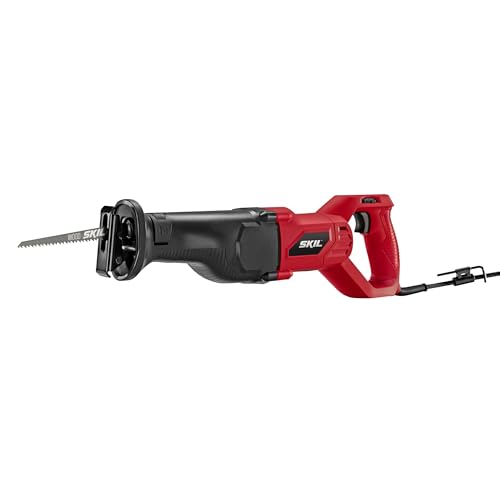
- 7.5-amp corded motor
- Tool-less blade change
- Metal gear housing and counterbalance
Best For: Workshop cutting where steady corded power is preferred
Best 2-In-1 Design
WORX 20V Reciprocating Saw and Jigsaw
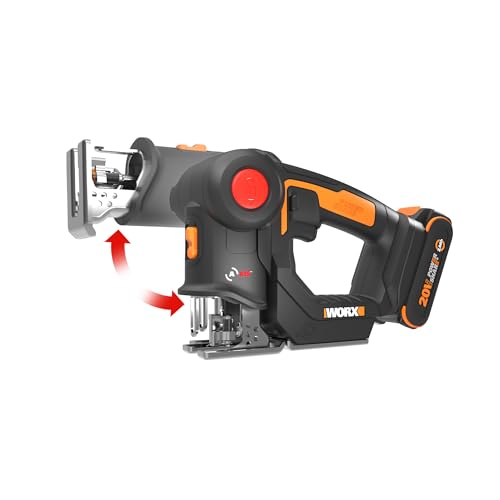
- Combines reciprocating saw and jigsaw modes
- Includes battery, charger, and four blades
- Lightweight design with LED and blower
Best For: DIYers wanting one versatile cordless cutting tool
Best Cordless Platform Pick
RYOBI ONE+ 18V Reciprocating Saw

- Cordless 18V portability
- Up to 3,400 SPM with variable speed
- Lightweight 3.8-pound bare tool
Best For: Existing RYOBI ONE+ users needing a portable saw
Best Metal Blade Pack

- Five 6-inch, 14-TPI metal blades
- M42 cobalt teeth handle high heat
- Fits standard 1/2-inch shanks
Best For: Medium-thick sheet metal, pipes, and profiles
Best Compact Pick
Fanttik R11 Pro Mini Reciprocating Saw
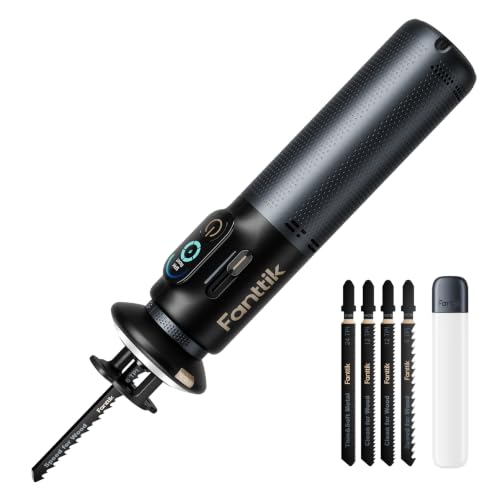
- Brushless 160W motor with 0–2,200 SPM control
- Compact body with reduced-vibration dual counterweights
- Includes five blades and Type-C fast charging
Best For: Light DIY wood and PVC cutting
Best Battery-Compatible Option
400W Cordless Reciprocating Saw

- 400W motor with up to 3,000 RPM and 25mm stroke
- Cuts wood, metal, and PVC with four included blades
- Compatible only with DeWalt 20V MAX batteries
Best For: DIY users with an existing DeWalt 20V MAX battery
Best Pruning Blade Upgrade

- Five 9-inch, 6 TPI blades for wood pruning
- Arc edge improves reach and control
- CR-V steel with triple-ground Japanese-style teeth
Best For: Branch trimming and outdoor wood cutting
Best Cordless Value – BLACK+DECKER 20V MAX Reciprocating Saw
For shoppers comparing reciprocating saws under 100, the BLACK+DECKER BDCR20C is a practical cordless kit with a 20V battery, charger, and blade included. Its tool-free blade change, pivoting shoe, and variable-speed trigger support controlled cutting for common DIY projects.
Best For: Homeowners who want a ready-to-use cordless reciprocating saw for wood-cutting tasks.
Pros:
- Includes a 20V lithium-ion battery, charger, and reciprocating blade.
- Tool-free blade change simplifies blade replacement.
- Pivoting shoe and variable-speed trigger provide added control.
Cons:
- The supplied surface recommendation is wood.
- Battery-powered operation requires charging.
- The kit includes one battery.
At 4.5 pounds, this compact 20V model offers a useful balance of portability and convenience. It is a sensible pick when cordless operation and an included starter kit matter more than heavy-duty corded power.
Best Manual Multi-Blade Option – 8-In-1 Adjustable Hand Saw
If you are browsing reciprocating saws under 100 but do not need a powered tool, this manual 8-in-1 hand saw offers a compact alternative. It includes eight HSS steel blades for drywall, wood, metal, plastic, plywood, and PVC applications.
Best For: DIY users who want a lightweight manual saw with multiple blade options for occasional cutting.
Pros:
- Includes eight interchangeable blades.
- Manual design needs no battery or electrical outlet.
- Ergonomic TPR handle and lockback mechanism support comfortable, secure use.
- Compact 8.48-ounce design is easy to store or carry.
Cons:
- Manual operation requires more physical effort than an electric saw.
- It is not a powered reciprocating saw.
- Blade changes use a clamping mechanism rather than an electric tool system.
This is best viewed as a versatile hand-saw kit rather than a direct substitute for powered reciprocating saws. Its main advantages are low weight, broad material coverage, and easy portability.
Best Corded Power – Skil 7.5-Amp Variable Speed Reciprocating Saw
Among reciprocating saws under 100, the SKIL 9206-02 is a straightforward corded choice for users who want consistent power without managing batteries. Its 7.5-amp motor, variable-speed operation, tool-less blade change, and pivoting foot are suited to demanding DIY cutting.
Best For: Workshop and home-improvement users who prefer corded performance for wood-cutting tasks.
Pros:
- 7.5-amp motor delivers substantial corded power.
- Tool-less blade change makes swapping blades easier.
- Heavy-duty metal gear housing is designed for ruggedness.
- Counterbalance and pivoting foot help with vibration control and stability.
Cons:
- Corded operation limits mobility compared with cordless models.
- At 7.1 pounds, it is heavier than the listed cordless options.
- The package includes one wood-cutting blade.
The SKIL emphasizes power and durability over portability. Its metal gear housing and counterbalance make it a compelling option for users who have convenient access to an outlet and expect longer cutting sessions.
Best 2-In-1 Design – WORX 20V Reciprocating Saw and Jigsaw
The WORX WX550L stands out among reciprocating saws under 100 by combining a reciprocating saw and jigsaw in one cordless tool. It includes a 20V battery, charger, and four blades, while its pivoting head, LED light, blower, and variable-speed trigger add flexibility for DIY projects.
Best For: DIYers who want one lightweight cordless tool for both reciprocating and jigsaw-style cutting.
Pros:
- Two-in-one design provides reciprocating saw and jigsaw modes.
- Battery, charger, and four blades are included.
- Lightweight 4.6-pound design helps reduce fatigue.
- LED light, built-in blower, pivoting head, and tool-less blade change improve usability.
Cons:
- The included battery provides a single 20V power source.
- Its 2-inch listed blade length may be less suitable for deeper cuts.
- Cutting performance depends on the selected blade and material.
With its compact form and dual-function design, the WX550L prioritizes versatility over the single-purpose strength of a larger saw. It is a strong fit for users who value portability and want to reduce the number of tools in their kit.
Best Corded Value – GALAX PRO 6.0-Amp Reciprocating Saw
For shoppers comparing reciprocating saws under 100, the GALAX PRO offers corded power for renovation, plumbing, demolition, and general cutting tasks. Its 6.0-amp copper motor delivers up to 3,000 SPM, while the tool-less chuck, variable speed, and pivoting shoe add practical versatility.
Best For: DIY homeowners, contractors, and users who want a corded saw for wood, metal, PVC, and cast iron cutting.
Pros:
- 6.0-amp motor provides up to 3,000 SPM and a 1-1/8-inch stroke.
- Includes two wood blades and three metal blades.
- Tool-less blade changes, pivoting shoe, lock-on button, and soft-grip handle improve usability.
- Self-protection heat dissipation and a built-in cooldown mechanism support extended use.
Cons:
- Requires access to a 120-volt AC outlet.
- Heavier and less portable than a cordless option may be for some users.
The GALAX PRO is a strong value when consistent corded performance matters more than mobility. Its included blades and broad material compatibility make it a practical all-around choice for home projects and job-site cutting.
Best Cordless Platform Pick – RYOBI ONE+ 18V Reciprocating Saw
Among reciprocating saws under 100, the RYOBI ONE+ PCL515B is a convenient choice for users already invested in the ONE+ battery system. It delivers variable-speed performance up to 3,400 SPM with a 1-inch stroke, but this listing is for the bare tool only.
Best For: RYOBI ONE+ users who need a portable saw for general cutting and already own a compatible battery and charger.
Pros:
- Cordless 18V design provides job-site portability.
- Variable speed reaches up to 3,400 SPM.
- Compact 3.8-pound bare-tool design is easy to carry.
Cons:
- Battery and charger are not included.
- The listed warranty is a 30-day limited warranty.
This RYOBI is best viewed as an affordable bare-tool addition to an existing ONE+ collection. Buyers starting from scratch should account for the added cost of a battery and charger.
Best Metal Blade Pack – EZARC 6-Inch Bi-Metal Blades
For shoppers researching reciprocating saws under 100, it is important to note that the EZARC product is a replacement-blade pack rather than a saw. These five 6-inch, 14-TPI bi-metal blades use M42 cobalt teeth for cutting medium-thick sheet metal, pipes, and profiles.
Best For: Metal-cutting jobs involving 3–10mm sheet metal and pipes or profiles under 100mm in diameter.
Pros:
- M42 cobalt teeth resist high temperatures during heavy metal cutting.
- Bi-metal construction is designed for wear resistance.
- Universal 1/2-inch shank fits reciprocating saws from brands including Bosch, DEWALT, Milwaukee, Makita, and RYOBI.
- Five-blade pack provides replacements for repeated metal-cutting work.
Cons:
- These are blades only; no reciprocating saw is included.
- Designed for metal rather than general-purpose wood or plastic cutting.
The EZARC pack is a useful accessory for extending the capability of a compatible reciprocating saw on demanding metal work. Confirm the material thickness and pipe diameter are within the listed cutting range before buying.
Best Compact Pick – Fanttik R11 Pro Mini Reciprocating Saw
If you want one of the more portable reciprocating saws under 100 for light DIY work, the Fanttik R11 Pro is designed for convenient wood and PVC cutting. Its brushless motor, stepless speed control, built-in battery, and compact body make it a practical choice for smaller jobs.
Best For: DIY users who need a lightweight saw for wood, PVC, and occasional outdoor cutting.
Pros:
- Compact 8.92-inch design with a dual counterweight system to help reduce vibration.
- Brushless 160W motor with variable speed from 0 to 2,200 SPM.
- Includes five 4-inch blades and supports tool-free blade changes.
- Built-in battery supports Type-C fast charging and cuts up to 2.1 meters of 3/4-inch wood per charge.
Cons:
- Recommended maximum cutting thickness is 3/4 inch, limiting it to lighter-duty work.
- Blade compatibility is specific: T-shank blades must be 1.4mm thick or less and 3–4 inches long.
- Its integrated battery cannot be swapped like a conventional tool battery.
The R11 Pro stands out among reciprocating saws under 100 for portability and control rather than maximum cutting capacity. Firmly pressing the shoe against the workpiece is important for stable, low-vibration cuts.
Best Battery-Compatible Option – 400W Cordless Reciprocating Saw
For shoppers comparing reciprocating saws under 100, this 400W cordless model offers higher stated power and a longer stroke for home repairs, pruning, and cutting wood, metal, and PVC. It is especially relevant if you already use compatible DeWalt 20V MAX batteries.
Best For: Homeowners and DIY users who already own DeWalt 20V MAX batteries and want a versatile bare tool.
Pros:
- 400W motor with variable speed up to 3,000 RPM and a 25mm stroke length.
- Rated cutting depths of up to 10mm for metal and 35–50mm for wood and PVC.
- Tool-free blade chuck and four included blades for wood, metal, and PVC.
- Rubber anti-slip grip, safety lock, and heat-dissipation system support controlled use.
Cons:
- Battery and charger are not included.
- Compatible only with DeWalt 20V MAX lithium batteries.
- Listed as a 400W tool, but the supplied specifications do not provide a runtime estimate.
This model offers a useful combination of speed, stroke length, and material versatility, but its value depends heavily on already having the required DeWalt battery. Confirm battery compatibility before buying.
Best Pruning Blade Upgrade – TOLESA 9-Inch Arc Edge Blades
Although these are replacement blades rather than a complete saw, they can complement reciprocating saws under 100 used for yard work. The five-pack is designed for pruning, branch trimming, firewood, and other wood-cutting tasks.
Best For: Reciprocating-saw owners who need dedicated blades for pruning and outdoor wood cutting.
Pros:
- Five 9-inch blades with a 6 TPI tooth configuration for wood cutting.
- Arc edge design helps with reach and control in tight or overhead spaces.
- CR-V steel construction is intended for wet wood, dry wood, green timber, and firewood.
- Triple-ground Japanese-style teeth and deep gullets support chip removal and cutting efficiency.
Cons:
- Designed for wood only, so they are not suitable for metal or PVC cutting.
- At 1.2mm thick and 9 inches long, they may not suit every saw or cutting setup.
- This is a blade set, not a reciprocating saw, battery, or charger.
TOLESA’s blades are a practical add-on for users focused on pruning and branch removal. Their universal shank is intended to fit most major reciprocating saws, but checking your saw’s compatibility is still sensible.
How We Picked the Best Reciprocating Saws Under 100
We focused on practical value for homeowners, DIYers, gardeners, and occasional renovation work. The selection includes both powered saws and useful blade options because the right blade can affect performance as much as motor output. We considered power source, rated amperage or voltage, stroke length, variable-speed control, ergonomics, included accessories, and compatibility with common replacement blades.
Budget pricing can change, and some cordless tools are sold without batteries. Confirm the current price, kit contents, and battery requirements before ordering.
Quick Comparison
| Type | Best For | Important Consideration |
|---|---|---|
| Cordless full-size saw | Portable cutting and demolition | Battery and charger may be separate |
| Corded reciprocating saw | Longer jobs and consistent power | Requires access to an outlet |
| Compact mini saw | Light trimming and tight spaces | Less suitable for heavy demolition |
| Manual multi-blade saw | Simple cuts without charging | Slower and more labor-intensive |
| Replacement blades | Improving cut quality or material compatibility | Match tooth count and blade length to the job |
Key Buying Factors for Reciprocating Saws Under 100
Power Source and Battery Cost
Corded models provide continuous power and are often a strong choice for workshop or demolition use. Cordless saws are easier to carry and safer around outdoor projects, but tool-only listings require a compatible battery and charger. If you do not already own a battery platform, include that cost in the total.
Stroke Length, Speed, and Control
A longer stroke can remove material quickly, while higher strokes per minute may help with faster cutting. Variable-speed triggers are valuable because slower starts improve control on thin material, plastic, or pipes. For pruning and rough wood, speed and blade design often matter more than maximum advertised RPM.
Blade Compatibility and Accessories
Look for a standard tool-free blade clamp and choose blades according to the material. Coarse blades suit wood and pruning; finer bi-metal blades are better for metal. Longer blades provide reach but can flex more, so use the shortest suitable blade for cleaner control.
Comfort and Safety
Check grip shape, weight, vibration, trigger placement, and whether the shoe adjusts or pivots. Wear eye and hearing protection, secure the workpiece, and keep both hands clear of the blade path. A compact saw may be preferable when overhead fatigue or tight access is a concern.
Who Should Buy Which Reciprocating Saws Under 100?
Choose a cordless full-size model if portability is your priority or you already own compatible batteries. Pick a corded saw for repeated cutting sessions where consistent power matters more than mobility. A compact mini saw suits light-duty PVC, wood, and trim work, while a manual multi-blade tool is appropriate for occasional cuts without battery maintenance. If you already own a compatible saw, investing in purpose-built metal or pruning blades may deliver the biggest improvement for the least money.