Cold temperatures can reduce battery capacity, slow charging, and expose weaknesses in poorly matched power systems. The right deep cycle battery can help keep an RV, marine setup, mobility device, or off-grid installation dependable through winter.
This roundup compares 10 AGM and LiFePO4 batteries across different capacities, form factors, protection features, and use cases, so you can choose a practical cold-weather power solution.
Best 10 Deep Cycle Batteries for Winter Use Picks for 2026
Reliable AGM Value
Weize 12V 100Ah Deep Cycle Battery

- Maintenance-free sealed AGM construction
- 1–3% monthly self-discharge rate
- Discharges to 5°F; charge from 14°F
Best For: Budget-conscious RV, solar, and backup-power users
Smart Winter Protection
Power Queen 12V 125Ah LiFePO4 Battery
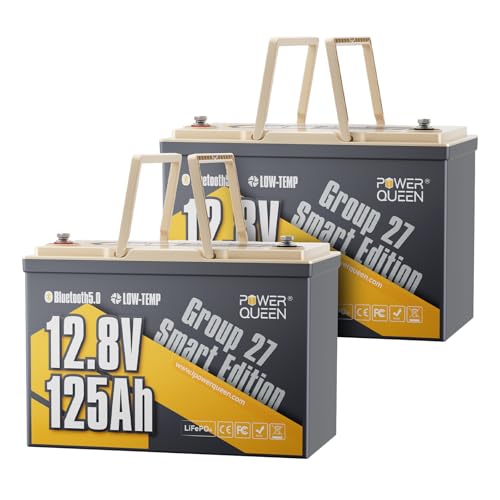
- Charging cutoff below 32°F
- Bluetooth monitoring and app control
- 125Ah Group 27 lithium capacity
Best For: Connected RV, marine, and solar systems
Built-In Cold-Weather Heat
LiTime 24V 230Ah Self-Heating Battery

- Self-heating charges from -4°F to 41°F
- 5,888Wh capacity for extended runtime
- Bluetooth, 200A BMS, and IP65 rating
Best For: Large 24V off-grid and RV energy systems
Expandable Winter Bank
DUMFUME 12V 150Ah LiFePO4 Twin Pack

- Two 150Ah batteries for 300Ah in parallel
- Charging cutoff below 32°F
- Scales up to a stated 4S4P system
Best For: Expandable RV, solar, and off-grid storage banks
Best Cold-Weather Upgrade
LiTime 2-Pack 100Ah Bluetooth LiFePO4

- Charging cutoff below 32°F and discharge cutoff below -4°F
- Bluetooth app tracks voltage, charge, and battery health
- Two-battery 1280Wh package with expandable capacity
Best For: RV, solar, trolling motor, and off-grid winter power
Best Compact AGM Value

- Maintenance-free, spill-proof AGM/VRLA construction
- Compact Group U1 or GT9L format with insert terminal
- Designed for wheelchairs, scooters, and compatible equipment
Best For: Compact mobility and backup applications requiring AGM
Best Small Waterproof Lithium

- Lightweight 5.95-pound design with IP67 waterproofing
- Built-in 20A BMS for key electrical protections
- Rated for 5,000+ cycles and expandable to four batteries
Best For: Compact outdoor, backup, camping, and low-load power systems
Reliable AGM Pair
12V 35Ah Deep Cycle Battery Pack
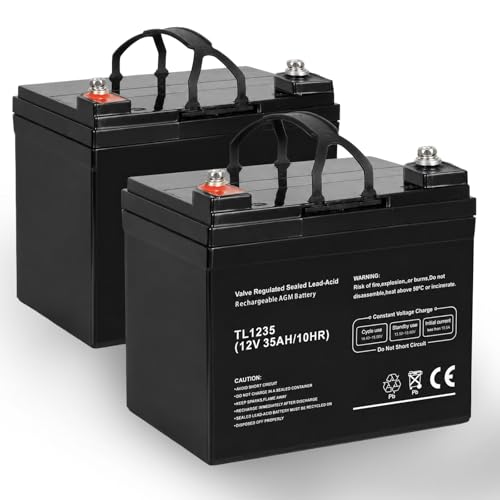
- Two rechargeable 12V 35Ah AGM batteries
- Sealed, maintenance-free and vibration-resistant design
- Low self-discharge and 1-year warranty
Best For: RV, camping, UPS, marine, and off-grid solar setups
Cold-Weather Lithium Choice
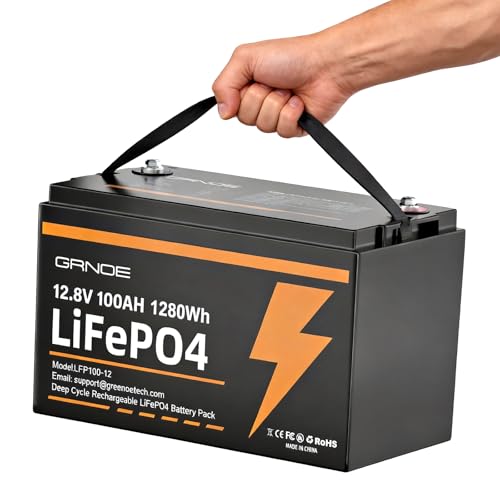
- 100Ah capacity with 1,280Wh of stated energy
- Low-temperature charging and discharging cutoffs
- Lightweight Group 31-compatible design
Best For: Cold-weather RV, cabin, marine, and off-grid energy storage
Compact High-Discharge AGM

- 40Ah rechargeable capacity for light electric devices
- Compact AGM design requires no maintenance
- 400A maximum discharge for five seconds
Best For: Mobility scooters, wheelchairs, e-bikes, and go-karts
Reliable AGM Value – Weize 12V 100Ah Deep Cycle Battery
For buyers comparing deep cycle batteries for winter use, this sealed AGM model offers a familiar, maintenance-free lead-acid design for moderate cold-weather applications. It can discharge down to 5°F, while charging is rated from 14°F upward, so freezing-weather charging requires careful attention.
Best For: RVs, solar systems, UPS setups, camping, and other stationary or moderate-demand 12V applications.
Pros:
- Maintenance-free AGM construction helps reduce leakage and routine upkeep.
- Low 1–3% monthly self-discharge supports longer storage between charges.
- Rated for up to 1,100A of maximum discharge current for five seconds.
- Includes a one-year warranty.
Cons:
- Charging is not rated below 14°F, limiting direct cold-weather charging options.
- At 57 pounds, it is substantially heavier than similarly sized lithium batteries.
- Its 100Ah capacity provides less energy than the larger lithium options here.
This is a straightforward choice when low maintenance and a lower upfront complexity matter more than weight savings or extensive cold-weather charging protection. Use a suitable charger and keep it charged during winter storage.
Smart Winter Protection – Power Queen 12V 125Ah LiFePO4 Battery
Among deep cycle batteries for winter use, this Group 27 LiFePO4 battery stands out for combining Bluetooth monitoring with built-in low-temperature protection. It stops charging below 32°F and discharging below -4°F, helping protect the battery during cold-weather operation.
Best For: RVs, boats, solar storage, trolling-motor systems, and users who want app-based battery monitoring.
Pros:
- Bluetooth 5.0 provides visibility into state of charge, voltage, current, temperature, and alerts.
- Low-temperature protection prevents charging below 32°F and discharging below -4°F.
- 125Ah capacity provides more stated energy than a typical 12V 100Ah battery in a similar form factor.
- Five-year warranty and a smart BMS with more than 20 protections.
Cons:
- The low-temperature cutoff protects the battery but does not provide heated charging.
- App features add convenience but require a compatible phone and setup.
- Buyers should verify Group 27 tray and terminal compatibility before installation.
Choose this model if you want lithium efficiency and useful cold-weather safeguards without moving to a larger 24V system. Its monitoring and remote discharge control are particularly practical for unattended RV or solar installations.
Built-In Cold-Weather Heat – LiTime 24V 230Ah Self-Heating Battery
For demanding deep cycle batteries for winter use, this 24V LiFePO4 unit adds automatic self-heating to a high-capacity energy-storage platform. Heating activates while charging between -4°F and 41°F, while the BMS pauses charging below 32°F until the battery warms.
Best For: 24V RVs, off-grid solar systems, marine applications, and large energy-storage installations.
Pros:
- Self-heating supports charging in cold conditions from -4°F to 41°F.
- 230Ah capacity delivers a stated 5,888Wh of energy for extended runtime.
- Bluetooth and app controls allow real-time monitoring and settings management.
- 200A BMS, IP65 protection, 4,000-plus cycles, and a five-year warranty.
Cons:
- Its 24V format is not a direct replacement for a standard 12V battery.
- At 84.1 pounds, it is heavy and may require careful installation.
- Its larger size and capacity may be excessive for small RV or backup systems.
This is the most winter-oriented option in the group because it can actively heat itself during cold-weather charging. It makes the most sense for users who already have, or specifically need, a high-capacity 24V system.
Expandable Winter Bank – DUMFUME 12V 150Ah LiFePO4 Twin Pack
This two-battery lithium pack is designed for scalable deep cycle batteries for winter use, with independent low-temperature protection in each unit. Charging stops below 32°F and discharging is supported down to -4°F, while the batteries automatically resume charging after temperatures rise above 32°F.
Best For: RVs, solar sheds, off-grid homes, marine house banks, and expandable 12V or 24V storage systems.
Pros:
- Two 150Ah batteries provide 300Ah when connected in parallel.
- Each battery has a 100A BMS with protection against electrical and temperature faults.
- Low-temperature cutoff and automatic resume support winter operation.
- Supports expansion up to a stated 4S4P configuration and 48V systems.
Cons:
- Low-temperature protection is a cutoff system, not built-in self-heating.
- The batteries are intended for energy storage and are not for engine starting or golf-cart propulsion.
- The two-pack weighs about 86 pounds combined.
This pack is compelling when you need more reserve capacity now and want the option to expand later. Its winter cutoffs help protect the cells, but charging in freezing conditions may require waiting for warmer temperatures or adding an appropriate external heating solution.
Best Cold-Weather Upgrade – LiTime 2-Pack 100Ah Bluetooth LiFePO4
For shoppers comparing deep cycle batteries for winter use, this two-pack stands out with built-in low-temperature charging and discharging protection. Bluetooth monitoring, a lightweight Group 24 design, and 1280Wh of stated total energy make it a strong fit for mobile and backup power setups.
Best For: RVs, solar systems, trolling motors, and off-grid users who want app-based monitoring and cold-weather safeguards.
Pros:
- Stops charging below 32°F and discharging below -4°F.
- Bluetooth 5.0 enables real-time voltage, charge, and battery-health monitoring.
- LiFePO4 construction is lighter than lead-acid and supports expansion up to 20.48kWh.
- IP65 protection, UL 1973 compliance, and a five-year warranty add reassurance.
Cons:
- Charging is disabled below freezing, so the battery may need warming before charging.
- The two-battery package may arrive in separate shipments.
- Its higher-capacity lithium format may be more than small devices require.
This is the most winter-focused option here, combining explicit cold-temperature protection with monitoring and scalable capacity. It makes the most sense when reliable RV, solar, or marine power matters more than minimizing upfront size or cost.
Best Compact AGM Value – Interstate 12V 35Ah SLA AGM
If you need deep cycle batteries for winter use in a compact mobility or backup application, this sealed AGM model offers a straightforward alternative. Its maintenance-free, spill-proof design is rated at 35Ah and uses an insert terminal for compatible equipment.
Best For: Electric wheelchairs, scooters, compatible trolling motors, and other devices that specify a Group U1 or GT9L AGM battery.
Pros:
- Sealed AGM/VRLA construction is rechargeable, maintenance-free, and spill-proof.
- Designed for deep-discharge mobility applications and heavy-demand cycling.
- Compact 12V, 35Ah format with insert terminals and included terminal hardware.
- Backed by a 12-month performance warranty and Interstate’s stated quality testing.
Cons:
- The 35Ah capacity is substantially lower than the LiFePO4 options in this roundup.
- Compatibility depends on the device’s exact terminal and battery-size requirements.
- It is not intended as a golf-cart battery replacement.
This Interstate battery is a practical replacement when your equipment calls for a small insert-terminal AGM unit. Confirm the compatibility guide, dimensions, and terminal arrangement before ordering, especially if winter use will involve frequent deep discharges.
Best Small Waterproof Lithium – GOLDENMATE 12V 20Ah LiFePO4
For smaller systems needing deep cycle batteries for winter use, the GOLDENMATE 20Ah LiFePO4 battery combines low weight with weather-resistant construction. Its built-in 20A BMS protects against common electrical faults, while the IP67 rating suits indoor and outdoor applications.
Best For: Small RV or camping setups, emergency lighting, routers, fish finders, alarms, cameras, and compact solar or backup systems.
Pros:
- Lightweight 5.95-pound design is easy to transport and install.
- IP67 waterproofing helps protect against dust and water exposure.
- Built-in BMS guards against overcharging, over-discharging, over-current, and short circuits.
- Rated for more than 5,000 cycles and can be connected in series or parallel.
Cons:
- The 20Ah capacity and stated 10A continuous discharge limit suit smaller loads better than large systems.
- A compatible LiFePO4 charger, MPPT solar setup, or generator is required for recharging.
- The supplied notes do not specify a dedicated low-temperature charging cutoff.
This battery is a versatile compact option where portability and waterproofing are priorities. For freezing conditions, pair it with an appropriate charging setup and verify the operating requirements, since its specifications do not list the explicit cold-temperature protection provided by the LiTime model.
Reliable AGM Pair – 12V 35Ah Deep Cycle Battery Pack
For shoppers comparing deep cycle batteries for winter use, this two-battery AGM pack offers a practical option for RVs, camping setups, UPS backup, marine equipment, and off-grid solar systems. Its sealed design is convenient for storage and routine use, while the 35Ah capacity supports dependable operation in compact applications.
Best For: RVs, camping, marine systems, UPS backup, and off-grid solar setups needing a rechargeable two-battery pack.
Pros:
- Two 12V, 35Ah rechargeable AGM batteries provide flexible capacity for compatible systems.
- Sealed, maintenance-free construction uses absorbent glass mat technology and supports leak-resistant operation.
- Heavy-duty ABS casing is designed for vibration resistance, with low self-discharge for storage.
- Includes zinc-plated M6 bolts and a 1-year warranty.
Cons:
- Lead-acid AGM chemistry is heavier than lithium alternatives.
- The 35Ah capacity may be limited for higher-demand or extended off-grid loads.
This pack makes sense when you want straightforward AGM maintenance and two matching batteries for a modest-power winter backup or recreational setup. Confirm your system’s voltage, capacity, and charging requirements before ordering.
Cold-Weather Lithium Choice – 12V 100Ah LiFePO4 Battery
Among deep cycle batteries for winter use, this 12V 100Ah LiFePO4 model stands out for its built-in temperature protections and lightweight Group 31-compatible format. It is designed for energy storage in RVs, marine systems, cabins, and off-grid applications, but requires the correct lithium charging equipment.
Best For: RVs, cabins, off-grid winter storage, marine equipment, and home backup systems that need high capacity and cold-temperature protection.
Pros:
- 100Ah capacity provides 1,280Wh of stated energy storage.
- Built-in 100A BMS includes protection against over-temperature, over-current, overcharging, over-discharging, and short circuits.
- Low-temperature cutoffs stop discharging below -4°F and charging below 32°F.
- Lightweight 22.48-pound Group 31-compatible design and expandable series/parallel configurations.
Cons:
- Requires a 14.6V ±0.2V lithium charger; a standard 12V or lead-acid charger is not suitable for full charging.
- It is intended for energy storage, not engine starting, golf carts, or jacks.
- Cold-weather cutoff features can temporarily stop charging or discharging in low temperatures.
This is the most winter-focused option in the group because its BMS actively responds to low temperatures. Plan for the required lithium charger and remember that the battery should be charged periodically during extended inactivity.
Compact High-Discharge AGM – VEVOR 12V 40Ah AGM Battery
For buyers seeking deep cycle batteries for winter use in light electric equipment, this VEVOR 12V 40Ah AGM battery combines a compact footprint with a stated 400A discharge current for five seconds. It is aimed at mobility devices and small electric vehicles rather than large RV or home energy-storage systems.
Best For: Mobility scooters, electric wheelchairs, go-karts, e-bikes, small motorcycles, and similar light-duty electric devices.
Pros:
- 40Ah rechargeable capacity can extend the runtime of compatible light-duty devices.
- AGM construction requires no routine electrolyte top-ups or maintenance.
- Compact 6.5 x 6.7 x 7.8-inch size fits many smaller equipment applications.
- Stated 400A maximum discharge current for five seconds supports device startup demands.
Cons:
- Professional charging equipment is required for secure operation.
- At 24.7 pounds, it is relatively heavy for a 40Ah battery compared with lithium options.
- The product is primarily suited to light electric vehicles, not necessarily larger winter backup systems.
This battery is a sensible fit when physical size and short-duration discharge capability matter more than maximum storage capacity. Verify the device’s battery dimensions, terminals, and charging equipment before use.
How We Picked the Best Deep Cycle Batteries for Winter Use
We focused on batteries suited to sustained, repeated discharge rather than short engine-starting bursts. The selection includes AGM models for straightforward, lower-cost installations and LiFePO4 batteries for users who want lower weight, longer cycle life, and more usable capacity.
We also considered capacity, battery-management protection, charging behavior, terminal and case design, portability, and compatibility with common RV, marine, solar, backup, and mobility applications. Because cold-weather performance depends heavily on the charging system and installation, advertised specifications should be checked against your equipment before purchase.
Quick Comparison
| Battery type | Typical strengths | Best suited to |
|---|---|---|
| AGM lead-acid | Simple installation, broad compatibility, lower upfront cost | Basic RV, backup, marine, and mobility systems |
| LiFePO4 | Low weight, high usable capacity, long cycle life | Frequent off-grid, RV, solar, and portable use |
| Self-heating LiFePO4 | Improved winter charging convenience | Systems regularly exposed to freezing conditions |
Key Buying Factors for Deep Cycle Batteries for Winter Use
Cold-Temperature Charging
LiFePO4 batteries generally should not be charged below freezing unless they include low-temperature protection or an internal heating system. A BMS with charge cutoff can prevent damage, while self-heating models may actively warm the cells before charging. AGM batteries are less sensitive to freezing-related charging restrictions, but they still lose available capacity in low temperatures.
Capacity and Usable Energy
Compare amp-hours with your actual load and expected runtime. A 100Ah battery does not always deliver the same usable energy across chemistries: lithium batteries can typically use a greater portion of their rated capacity, while AGM systems are often sized more conservatively to protect battery life.
System Compatibility
Confirm voltage, physical dimensions, terminal style, charging profile, and inverter requirements. Series or parallel installations also require compatible batteries, matching specifications, and appropriate fusing. Bluetooth monitoring can be useful when the battery is installed in an enclosed compartment.
Durability and Maintenance
AGM batteries are sealed and maintenance-free but heavier. LiFePO4 batteries are lighter and commonly offer substantially more cycles, although their upfront price is higher. For marine or outdoor use, consider enclosure protection, moisture exposure, secure mounting, and ventilation requirements.
Who Should Buy Which Deep Cycle Batteries for Winter Use?
- Choose AGM for a simple replacement, modest budget, or equipment designed around lead-acid charging.
- Choose standard LiFePO4 for frequent cycling, portable power, RV use, and weight-sensitive installations.
- Choose low-temperature-protected LiFePO4 if winter charging is likely and you want automatic protection.
- Choose a self-heating model for off-grid, RV, or marine systems that must charge regularly in freezing weather.
- Choose a smaller 20Ah–40Ah battery for compact backup, mobility, electronics, or light portable loads.
- Choose 100Ah or larger for inverters, solar storage, extended RV use, and higher daily energy demands.
Before ordering, verify the manufacturer’s operating and charging temperature limits, then pair the battery with a compatible charger or solar controller. Proper insulation, secure mounting, and winter storage practices can matter as much as the battery’s headline capacity.