The best reciprocating saws for automotive work make quick cuts through exhaust components, sheet metal, body panels, fasteners, and other difficult materials. The right choice depends on your power source, available space, cutting control, and expected workload.
This roundup compares compact cordless saws, high-speed pneumatic body saws, and corded models so you can match the tool to your garage, professional shop, or mobile repair setup.
Best 10 Reciprocating Saws for Automotive Work Picks for 2026
Best Compact Cordless Pick
DEWALT 20V MAX XR Compact Reciprocating Saw

- Compact 14.5-inch, 5-pound tool-only design
- Brushless motor with up to 2.5x more runtime
- Four-position clamp, LED, and variable speed
Best For: Cordless cutting in tight automotive spaces
Best One-Handed Cordless Pick
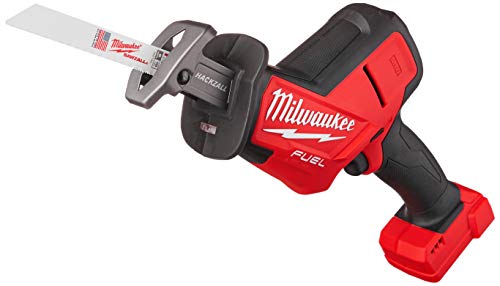
- One-handed design for controlled access
- Brushless motor with 4,500 SPM speed
- Pivoting shoe helps reduce bucking and vibration
Best For: Compact cordless cutting around vehicle components
Best Industrial Pneumatic Pick

- Up to 10,000 strokes per minute
- Lightweight 1.33-pound inline configuration
- Includes blades and adjustable blade guide
Best For: Compressed-air body shop and garage cutting
Best Body-Repair Value
Astro Pneumatic 930 Air Body Saber Saw
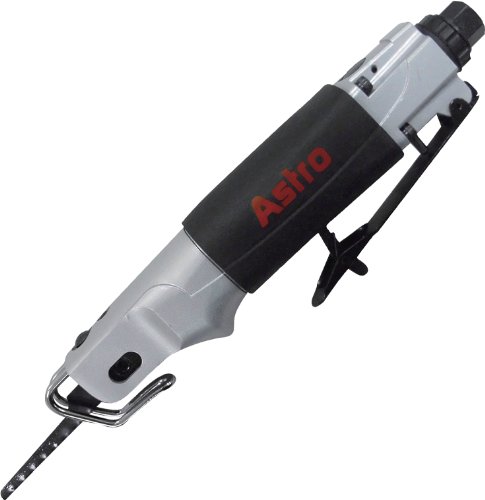
- Built for body repair, muffler, and exhaust work
- Adjustable guide and five included blades
- Lightweight design cuts tight-radius curves
Best For: Detailed pneumatic panel and exhaust cutting
Heavy-Duty Corded Pick
DEWALT DWE305 12-Amp Reciprocating Saw

- 12-amp motor for demanding applications
- Four-position clamp supports flush cutting
- Variable-speed trigger and quick blade changes
Best For: Heavy-duty garage work near a power outlet
Compact One-Handed Pick
Milwaukee M18 Hackzall 2625-20

- One-handed design for tight spaces
- Compact 4-pound bare-tool format
- LED light and quick-lock blade clamp
Best For: Confined cuts and overhead automotive work
Versatile 2-in-1 Pick
WORX WX550L Cordless Reciprocating Saw
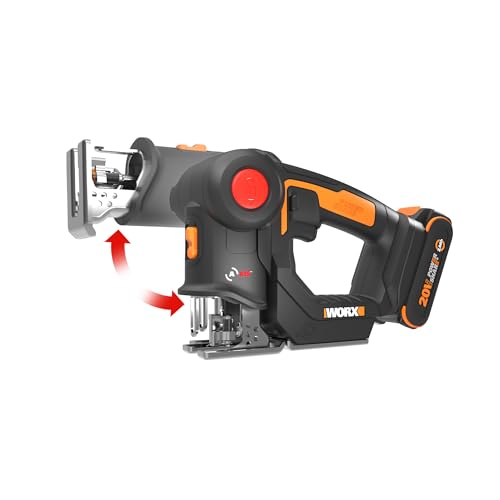
- Combines jigsaw and reciprocating-saw modes
- Lightweight with battery included
- LED, blower, and tool-less blade changes
Best For: DIY users wanting cordless versatility
Versatile Pneumatic Pick
Air Reciprocating File Body Saw

- Combines air saw and air file functions
- Includes 4 files and 5 saw blades
- 8,000 SPM with low-vibration exhaust design
Best For: Detail cutting, filing, deburring, and rust removal
Best Heavy-Duty Pick
DEWALT 20V MAX Reciprocating Saw
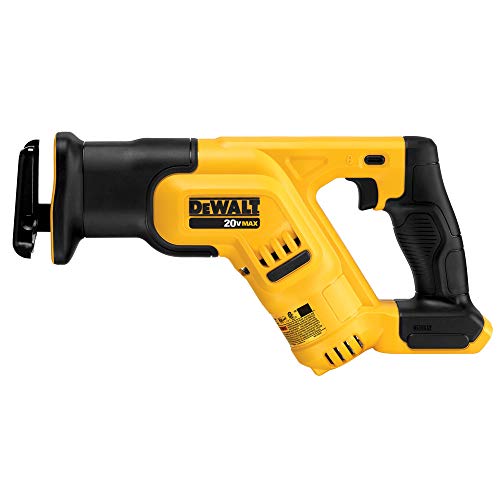
- Compact 14-inch design for confined spaces
- Four-position clamp enables flush cutting
- Variable speed up to 2,900 SPM
Best For: Mobile automotive work with a DEWALT 20V MAX battery
Auto-Body Air Saw Pick
SDRTOP Pneumatic Reciprocating Saw

- Designed for auto repair and exhaust work
- 9,000 SPM for thin sheet-metal cutting
- Includes 6 blades and air-connection accessories
Best For: Auto-body repair and cutting sheet metal up to 1.5 mm
Best Compact Cordless Pick – DEWALT 20V MAX XR Compact Reciprocating Saw
For automotive work that involves tight access points, the DEWALT DCS367B is a compact cordless option among reciprocating saws for automotive work. Its 14.5-inch length, pivoting head, LED light, and variable-speed trigger support controlled cutting around vehicles, while the brushless motor and 1-1/8-inch stroke are suited to demanding jobs.
Best For: Cordless automotive cutting in confined spaces where maneuverability matters.
Pros:
- Compact 14.5-inch design and 5-pound tool-only weight are easy to maneuver.
- Brushless motor is designed to provide up to 2.5 times more runtime.
- Four-position keyless blade clamp supports quick blade changes and flexible access.
- LED light, variable speed up to 2,900 SPM, and a 1-1/8-inch stroke add control and cutting power.
Cons:
- Battery and charger are not included.
- The cordless platform requires a compatible DEWALT 20V MAX battery.
Choose this model when portability and access are higher priorities than having an included power source. Its compact form and adjustable control make it a practical fit for repair work around body panels, framing, and other restricted areas.
Best One-Handed Cordless Pick – Milwaukee M18 FUEL Hackzall
The Milwaukee M18 FUEL Hackzall is a one-handed cordless choice for reciprocating saws for automotive work. Its brushless POWERSTATE motor, 4,500 SPM maximum speed, pivoting shoe, and compact 14-inch body are designed for controlled cuts where a conventional full-size reciprocating saw may be awkward.
Best For: One-handed cutting and improved control around vehicle components.
Pros:
- One-handed design provides control and versatility in confined work areas.
- POWERSTATE brushless motor and REDLINK Plus electronics provide cutting power and overload protection.
- Pivoting shoe helps maintain contact with the workpiece and reduce bucking and vibration.
- High 4,500 SPM speed and 7/8-inch stroke support fast material removal.
Cons:
- It is a bare tool, so the M18 battery and charger must be purchased separately.
- The shorter 7/8-inch stroke may remove less material per stroke than larger reciprocating saws.
This Hackzall is a strong match for mechanics who value a compact, single-handed tool over maximum stroke length. Its battery platform and electronic protection are useful advantages for repeated shop or garage work.
Best Industrial Pneumatic Pick – Ingersoll Rand 429 Air Saw
The Ingersoll Rand 429 is a lightweight pneumatic option among reciprocating saws for automotive work, especially where an air compressor is already available. It reaches up to 10,000 strokes per minute and includes blades, an adjustable guide, and a positive retainer for cutting sheet metal, aluminum, plastic, fiberglass, and other materials.
Best For: Body shops and garages equipped with a compressor for frequent metal and panel cutting.
Pros:
- Up to 10,000 strokes per minute supports fast, precise cutting.
- At about 1.33 pounds, the inline design is lightweight and suitable for tight spaces.
- Includes six high-speed steel blades, two hex wrenches, an adjustable blade guide, and a positive retainer.
- Lock-out lever and vibration reduction add practical safety and operator comfort features.
Cons:
- An air compressor is not included.
- It requires a compressor capable of at least 8 CFM at 90 psi.
If your workspace has sufficient compressed air, the 429 offers high speed and low tool weight for body and exhaust-related cutting. It is less convenient for mobile work than a cordless saw because compressor capacity and an air hose are required.
Best Body-Repair Value – Astro Pneumatic 930 Air Body Saber Saw
Astro Pneumatic Tool 930 Air Body Saber Saw with 5pc 24 Teeth per Inch Saw Blades, Black, Silver
Check Price On AmazonThe Astro Pneumatic 930 is a compact air body saw aimed directly at body repair, muffler, and exhaust work. For reciprocating saws for automotive work, its adjustable blade guide, included five-piece blade set, and ability to cut aluminum, plastic, fiberglass, and sheet metal make it a practical choice for shaping panels and handling tight-radius cuts.
Best For: Automotive body repair, exhaust work, and intricate cuts in flat or curved material.
Pros:
- Designed for body shop repair, muffler, and exhaust applications.
- Adjustable blade guide can help extend blade life.
- Cuts aluminum, plastic, fiberglass, and sheet metal, including intricate shapes and tight-radius curves.
- Compact 9.5-inch body and very light 12.32-ounce weight suit confined work areas.
Cons:
- It is a pneumatic bare tool and requires a compatible air supply.
- The supplied notes specify 4 CFM air consumption but do not state a maximum strokes-per-minute rating.
This model makes sense when precise panel shaping and exhaust work are more important than cordless convenience. Its small, lightweight body is particularly useful for detailed cuts, provided your compressor can support the tool.
Heavy-Duty Corded Pick – DEWALT DWE305 12-Amp Reciprocating Saw
For demanding automotive work where sustained power matters, the DEWALT DWE305 is a corded option with a 12-amp motor, a 1-1/8-inch stroke length, and variable speed control. Its four-position blade clamp also supports flush cutting and added positioning flexibility.
Best For: Garage or shop projects that have convenient access to a 120-volt outlet and require heavy-duty cutting power.
Pros:
- 12-amp motor is designed for heavy-duty applications.
- Four-position blade clamp supports flush cuts and versatile blade positioning.
- Lever-action, keyless clamp enables quick blade changes.
- Variable-speed trigger offers control from 0 to 2,900 SPM.
Cons:
- Corded design limits mobility compared with battery-powered models.
- At 8 pounds, it may be less comfortable for extended overhead work.
The DWE305 is a practical choice among reciprocating saws for automotive work when maximum portability is less important than continuous corded power and flush-cut versatility.
Compact One-Handed Pick – Milwaukee M18 Hackzall 2625-20
Milwaukee 2625-20 M18 18-Volt Lithium-Ion Cordless Hackzall Reciprocating Saw, Bare Tool
Check Price On AmazonThe Milwaukee M18 Hackzall is designed for controlled cutting in confined automotive spaces. Its one-handed format, compact 4-pound bare-tool weight, anti-vibration handle, LED light, and tool-free QUIK-LOK blade clamp make it well suited to access-focused work.
Best For: Tight spaces, overhead cuts, and users already invested in Milwaukee M18 batteries.
Pros:
- One-handed design provides control in tight conditions.
- Compact size and light weight make overhead work easier.
- Anti-vibration handle is designed to reduce fatigue.
- Built-in LED illuminates the work surface, while the QUIK-LOK clamp enables fast blade changes.
Cons:
- Bare-tool package does not include a battery or charger.
- Requires compatible M18 lithium-ion batteries for cordless operation.
For automotive cutting where access and maneuverability are priorities, this Hackzall offers a more compact alternative to a full-size reciprocating saw, provided you have an M18 battery setup.
Versatile 2-in-1 Pick – WORX WX550L Cordless Reciprocating Saw
The WORX WX550L combines reciprocating-saw and jigsaw functions in one cordless tool. For automotive work, its pivoting head, 4.6-pound weight with battery, built-in LED, blower, variable-speed trigger, and included blades provide useful flexibility for varied cutting tasks.
Best For: DIY users who want one lightweight cordless tool for different cutting modes and materials.
Pros:
- 2-in-1 design switches between jigsaw and reciprocating-saw modes.
- Pivoting head and lightweight design support maneuverability.
- Tool-less blade changes, LED lighting, and a built-in blower improve convenience and visibility.
- Includes a battery, charger, and four blades.
Cons:
- Its 3/4-inch stroke and 4,500-rpm rating may be less suited to the most demanding cuts.
- The listed surface recommendation is wood, so blade selection is important for automotive materials.
The WX550L is a flexible option among reciprocating saws for automotive work when portability and multiple cutting functions matter more than a dedicated heavy-duty format.
Versatile Pneumatic Pick – Air Reciprocating File Body Saw
For shoppers comparing reciprocating saws for automotive work, this pneumatic tool stands out by combining a body saw and air file in one compact unit. Its 8,000 SPM speed, low-vibration exhaust hose, and included files and blades suit detail-oriented cutting, deburring, rust removal, and surface-preparation tasks.
Best For: Automotive users who want one air-powered tool for light sheet-metal cutting, filing, deburring, and rust removal.
Pros:
- Combines an air saw and air file in one tool.
- Includes four files and five 32-tooth saw blades.
- Low-vibration design with an exhaust hose assembly for quieter operation.
- Compact 550-gram body with an ergonomic handle.
Cons:
- Requires a pneumatic air supply and a 1/4-inch American-style inlet connection.
- Its 5 mm stroke length is oriented toward controlled, detailed work rather than larger demolition cuts.
This is a flexible choice for auto-body and workshop jobs where filing and cutting are both part of the workflow. The included accessories add versatility, while the pneumatic format means you will need a compatible compressor setup.
Best Heavy-Duty Pick – DEWALT 20V MAX Reciprocating Saw
For reciprocating saws for automotive work, the DEWALT DCS387B is a practical option when cordless mobility and access in tight spaces matter. Its compact 14-inch body, four-position blade clamp, variable-speed trigger, and LED light support controlled cuts around vehicles and in confined work areas.
Best For: Automotive and maintenance users who already have compatible DEWALT 20V MAX batteries and need a compact cordless saw.
Pros:
- Compact 14-inch total length fits between studs and in confined spaces.
- Four-position blade clamp supports flush cutting and flexible blade positioning.
- Variable-speed trigger offers up to 2,900 SPM for improved control.
- Pivoting shoe and LED light add cutting versatility and visibility.
Cons:
- Bare-tool purchase does not include a battery or charger.
- It is listed with a wood surface recommendation, so the appropriate blade is important for automotive materials.
This model makes sense for mobile work where an air hose would be inconvenient. The cordless platform, compact profile, and adjustable blade clamp are useful around vehicles, provided you already own—or budget for—the required DEWALT 20V MAX battery system.
Auto-Body Air Saw Pick – SDRTOP Pneumatic Reciprocating Saw
Among reciprocating saws for automotive work, this SDRTOP pneumatic body saw is aimed directly at auto repair and body-work applications. It reaches 9,000 strokes per minute, includes six blades and connection accessories, and is designed for small-space cutting of sheet metal up to the listed 1.5 mm thickness.
Best For: Auto-body repair, exhaust work, and cutting thin metal where a compact pneumatic saw is preferred.
Pros:
- Designed for automobile repair, installation, and exhaust work.
- Runs at up to 9,000 strokes per minute for fast cutting.
- Includes six 24T and 32T blades, two hex wrenches, and two air nipples.
- Aluminum-alloy body is paired with a low-vibration design rated below 96 dB.
Cons:
- Requires a compressor and pneumatic connection.
- Its stated sheet-metal suitability is limited to approximately 1.5 mm thickness.
- Blade changes require the included Allen wrench.
This is the most directly automotive-focused option in the group, especially for thin sheet metal and exhaust-related cuts. Its accessory package is useful out of the box, but buyers should confirm that their compressor and air fittings are compatible.
How We Picked the Best Reciprocating Saws for Automotive Work
We focused on tools suited to common automotive cutting tasks, including exhaust repair, bodywork, panel removal, and metal fabrication. The selection includes cordless models for mobility, pneumatic saws for frequent shop use, and corded tools for consistent power without battery changes.
We also considered compactness, variable-speed control, blade compatibility, stroke action, vibration, ergonomics, and whether the tool is designed for general demolition or more precise automotive work. Because several listings are bare tools, buyers should verify battery, charger, air-hose, and blade requirements before ordering.
Quick Comparison
| Tool Type | Best For | Main Advantage | Potential Trade-Off |
|---|---|---|---|
| Compact cordless reciprocating saw | Mobile repairs and tight spaces | Portability and easy setup | Battery runtime and added battery cost |
| Pneumatic body saw | Sheet metal and body-panel cutting | Lightweight, controlled cutting | Requires a capable air compressor |
| Full-size corded reciprocating saw | Heavy cutting and extended jobs | Continuous power and strong output | Less convenient around vehicles |
| Two-in-one saw | Occasional cutting and light DIY work | Multiple cutting functions | May be less specialized for automotive use |
Key Buying Factors for Automotive Reciprocating Saws
Power Source and Runtime
Cordless saws are convenient for roadside work, salvage projects, and vehicles without easy access to outlets. Check whether the listing includes a battery and charger. Pneumatic models can be excellent for bodywork, but compressor capacity, hose fittings, and sustained airflow are essential. Corded saws are practical in a fixed workshop where uninterrupted power matters most.
Size, Stroke, and Control
A compact housing and short nose help when cutting inside engine bays, wheel wells, and underbody areas. Variable-speed triggers provide better control when starting a cut or working near finished surfaces. Longer or more aggressive strokes can improve speed through thick material, but they may also increase vibration and make precision work harder.
Blades and Automotive Materials
Choose blades according to the material: fine-tooth blades generally suit thin sheet metal, while tougher blades are better for bolts, exhaust tubing, and thicker steel. Confirm the tool accepts standard reciprocating or body-saw blades, and keep several tooth counts available for different jobs.
Comfort and Safety
Look for a secure grip, manageable weight, low vibration, and a shoe or guide that stabilizes the cut. Wear eye and hearing protection, use gloves suitable for the task, secure the vehicle and workpiece, and inspect for fuel, brake, electrical, and hydraulic lines before cutting.
Who Should Buy Which Reciprocating Saws for Automotive Work?
Choose a compact cordless model if portability, quick setup, and access in confined areas are your priorities. It is a strong fit for mobile mechanics and general garage repairs.
Choose a pneumatic body saw for repeated sheet-metal work, patch panels, and controlled body cuts in a shop with adequate compressed air.
Choose a corded reciprocating saw when you need dependable power for demanding cuts and normally work near an outlet.
Choose a two-in-one tool if you want one compact machine for occasional automotive tasks and broader home projects. For frequent professional work, a purpose-built saw with appropriate blades will usually provide better control and durability.