Access to safer drinking water matters when storms, outages, travel, or infrastructure problems disrupt normal supplies. The best reverse osmosis systems for emergencies balance filtration performance with portability, power needs, water waste, and maintenance.
This roundup compares 10 options, including portable electric units, countertop systems, and under-sink models suited to emergency preparedness at home. Use the guide below to match capacity and convenience to your situation.
Best 10 Reverse Osmosis Systems for Emergencies Picks for 2026
TrailReady Choice

- Chemical-free RO filtration for outdoor water sources
- Filters up to 8,000 liters
- Compact manual design for emergency kits
Best For: Camping, hiking, backpacking, and portable preparedness
Whole-Home Preparedness Pick

- 11-stage RO, UV, and alkaline filtration
- 100 GPD under-sink system with storage tank
- Leak-stop detector and one-year warranty
Best For: Household emergency water treatment
Off-Grid Power Pick
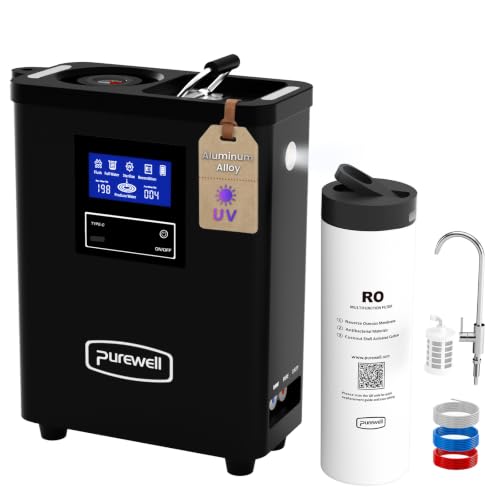
- 0.0001-micron RO plus dual UV treatment
- Up to 6.5 hours of battery use
- TDS display, lighting, and carry bag included
Best For: Camping, RV trips, and power-outage preparedness
High-Flow Kitchen Pick
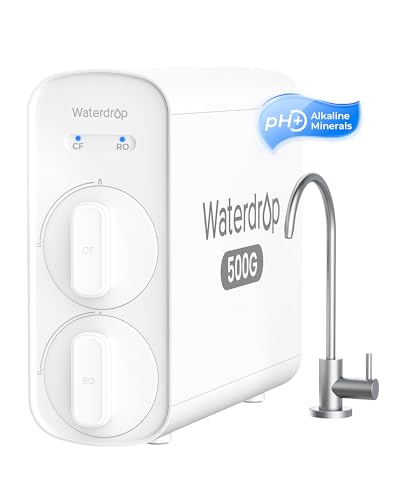
- Eight-stage RO and alkaline mineral filtration
- 500 GPD flow with tankless space-saving design
- 2:1 purified-to-drain water ratio
Best For: Household kitchens needing fast, compact filtration
Portable Emergency Pick
Bluevua RO100ROPOT Countertop RO System
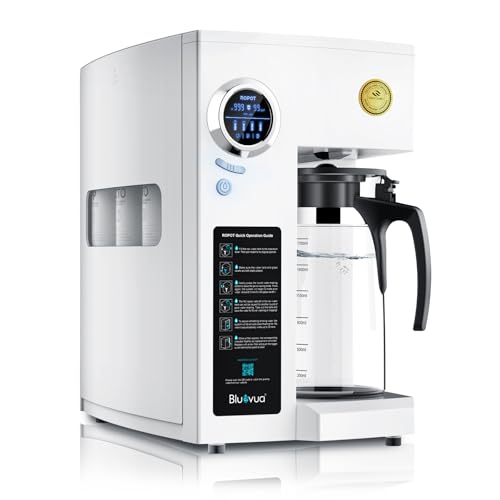
- Six-stage filtration with UV and remineralization
- No plumbing; uses a 1.7-liter glass carafe
- Power-saving design with filter-life monitoring
Best For: Portable emergency filtration with access to electricity
High-Capacity Home Choice
APEC ROES-50 5-Stage Under-Sink RO

- Produces up to 50 gallons per day
- Includes storage tank, faucet, and installation kit
- Five-stage filtration targets 1,000+ impurities
Best For: Households wanting an installed, higher-capacity RO system
Low-Pressure Backup
iSpring RCC7P-AK Alkaline RO with Pump

- Booster pump supports low-pressure operation
- Six-stage filtration with alkaline remineralization
- Includes a 100–240V pump power adapter
Best For: Installed emergency backup in low-pressure homes
High-Capacity Pick

- 90 GPD capacity with large filters
- WQA Gold Seal and NSF-certified filtration claims
- No external power required
Best For: Home emergency preparedness where capacity and durability are priorities
Balanced Household Choice
iSpring RCC7-BN 5-Stage RO System

- 75 GPD, no-power operation
- NSF/ANSI 58 certified system
- Transparent housing for filter checks
Best For: Families wanting a certified, low-maintenance home backup
Remineralization Pick
iSpring RCC7AK-BN Alkaline 6-Stage RO

- Six-stage filtration with alkaline mineral boost
- NSF/ANSI 58 certified
- No power needed with top-mounted installation
Best For: Households prioritizing remineralized taste and emergency backup filtration
TrailReady Choice – Portable RO Filter Pump
For lightweight reverse osmosis systems for emergencies, this portable manual pump is designed for camping, hiking, travel, and preparedness. It uses high-precision RO filtration to improve the taste of water from creeks and streams without chemical treatment.
Best For: Portable emergency kits, backpacking, and off-grid trips where a compact, non-electric filter is useful.
Pros:
- Portable, freestanding design with no chemical treatment.
- Filters up to 8,000 liters of water.
- Flow rate reaches 200–300 ml per minute.
Cons:
- Maximum supported water TDS is 300 ppm.
- Manual pumping may be less convenient than electric systems.
This is a straightforward choice for emergency preparedness when packability and chemical-free filtration matter most. Its modest flow rate is better suited to personal or small-group use than high-volume household demand.
Whole-Home Preparedness Pick – Express Water ROALKUV10D
The Express Water ROALKUV10D is an under-sink option for reverse osmosis systems for emergencies at home. Its 11-stage setup combines RO filtration, UV sterilization, and alkaline mineral filtration, while an automatic tank and leak-stop detector support convenient daily use.
Best For: Households seeking installed emergency water treatment with high contaminant reduction and added UV protection.
Pros:
- 11-stage filtration includes RO, UV, and alkaline stages.
- Rated to reduce up to 99.99% of listed impurities, including lead, fluoride, nitrates, and bacteria.
- 100 GPD capacity, automatic tank filling, and leak-stop detection.
- Includes a one-year warranty and components for under-sink installation.
Cons:
- Requires under-sink installation and a dedicated power connection for UV operation.
- At 31 pounds, it is not portable for evacuation or field use.
This system is better suited to a home emergency plan than a go-bag. Its combination of stored water, UV treatment, alkaline filtration, and leak detection makes it a comprehensive countertop-adjacent household setup.
Off-Grid Power Pick – Purewell Portable Electric RO
Among reverse osmosis systems for emergencies, the Purewell K8680 stands out for mobile use because it combines a 0.0001-micron RO membrane, dual UV lamps, battery power, and TDS monitoring. It is built for fresh or brackish water during camping, RV travel, power outages, and emergency preparation.
Best For: Off-grid users who need powered purification, battery operation, and portable monitoring in a compact countertop unit.
Pros:
- RO and dual UV treatment target TDS, PFAS-related substances, heavy metals, chemicals, and microorganisms.
- 5200 mAh battery provides up to 6.5 hours of use; Type-C supports reverse charging.
- Can fill a 2.1-liter bottle in about three minutes.
- Includes TDS display, self-cleaning, emergency lighting, and a carry bag.
Cons:
- Not designed for ocean seawater.
- Maximum supported source-water TDS is 300 ppm.
- Requires filter replacement as usage period or water quality demands.
This is the most feature-rich portable choice in the group for emergency and outdoor scenarios. Its battery and lighting add resilience, while the source-water limits should be checked before relying on it for a particular location.
High-Flow Kitchen Pick – Waterdrop G5P500A G5P500A
The Waterdrop G5P500A is a compact under-sink choice for reverse osmosis systems for emergencies when a household needs fast, readily available drinking water. Its eight-stage filtration includes a 0.0001-micron RO membrane and alkaline mineralization, while the tankless design saves cabinet space.
Best For: Kitchens and emergency plans that prioritize high flow, compact installation, and ongoing household access to filtered water.
Pros:
- Eight-stage filtration reduces listed contaminants such as PFOA, PFOS, chlorine, lead, fluoride, and heavy metals.
- 500 GPD capacity fills a 6-ounce cup in about eight seconds.
- Tankless design frees under-sink space and uses a 2:1 pure-to-drain ratio.
- Alkaline mineralization adds calcium, magnesium, sodium, and potassium.
Cons:
- Requires under-sink installation and countertop drilling for the faucet.
- Corded electric operation is less useful when household power is unavailable.
- It is not a portable emergency purifier.
This system works best as a permanently installed household solution that supports everyday use before and during disruptions. For extended outages, pair it with stored water or backup power because it relies on electricity.
Portable Emergency Pick – Bluevua RO100ROPOT Countertop RO System
For emergencies that call for a flexible drinking-water setup, the Bluevua RO100ROPOT is one of the more convenient reverse osmosis systems for emergencies. This countertop unit needs no plumbing, runs from a power source, and combines six filtration stages with UV treatment and remineralization. Its 1.7-liter glass carafe and built-in monitoring also make it practical for smaller households or temporary use.
Best For: Portable emergency water filtration when you have access to electricity but want to avoid permanent installation.
Pros:
- No plumbing or installation required; plug it in and fill the reservoir.
- Six-stage filtration includes reverse osmosis, UV light, and remineralization.
- Glass carafe, filter-life monitor, power-saving standby, and a stated 2:1 pure-to-drain ratio.
Cons:
- Requires electricity, so it is not suitable for a power outage without backup power.
- The 1.7-liter capacity and 0.26-liter-per-minute flow rate are better suited to individual or small-household needs.
- At 17.8 pounds, it is portable for a countertop appliance but not especially lightweight.
The Bluevua stands out for emergency preparedness when portability and simple setup matter most. Keep in mind its electrical requirement and modest batch capacity when planning for extended disruptions.
High-Capacity Home Choice – APEC ROES-50 5-Stage Under-Sink RO
The APEC ROES-50 is a permanent under-sink option for households preparing for longer-term water-quality concerns. Among reverse osmosis systems for emergencies, its 50-gallon-per-day capacity, included storage tank, and five-stage filtration make it better suited to supplying a kitchen tap than producing small countertop batches. Installation is DIY-friendly, but it does require plumbing and normal household water pressure.
Best For: Families seeking a higher-capacity emergency-preparedness system that remains installed and ready for everyday use.
Pros:
- 50-gallon-per-day rated capacity with an included storage tank.
- Five-stage filtration is designed to reduce arsenic, chlorine, lead, fluoride, heavy metals, PFAs, microplastics, and other impurities.
- Includes faucet, installation kit, filter set, and color-coded quick-connect tubing for DIY setup.
Cons:
- Under-sink installation is less portable and less useful if the home loses water service or power.
- Replacement timing varies with incoming water quality, with filters recommended at intervals of roughly 6 to 24 months.
- The listed maximum flow rate is 0.03 gallons per minute, so the storage tank is important for convenient access.
The ROES-50 is a sensible choice when emergency planning centers on dependable, stored drinking water at a kitchen faucet rather than portability. Its main limitation is that it depends on an installed water supply and household setup.
Low-Pressure Backup – iSpring RCC7P-AK Alkaline RO with Pump
The iSpring RCC7P-AK is designed for homes where water pressure may limit reverse osmosis performance. Its booster pump helps maintain filtration efficiency while reducing wastewater, and the six-stage system adds alkaline remineralization for a more balanced taste. As reverse osmosis systems for emergencies, it is best viewed as a permanently installed backup for households with a functioning water supply and electrical power.
Best For: Homes with low water pressure that want an under-sink RO system with a booster pump and alkaline remineralization.
Pros:
- Electric booster pump supports consistent RO performance in low-pressure homes.
- Six-stage filtration is designed to reduce up to 99% of more than 1,000 contaminants.
- Alkaline remineralization restores minerals, while the top-mounted faucet is intended to simplify installation.
Cons:
- Requires under-sink installation, an available water supply, and electricity for the pump.
- Its 75-gallon capacity rating does not make it a portable emergency purifier.
- Filter housings and components add installation and maintenance considerations compared with countertop systems.
The RCC7P-AK is a strong emergency-preparedness fit for a home with marginal water pressure, especially when taste and remineralization are priorities. It is not the right tool for a no-power or no-plumbing scenario, so pair it with an appropriate backup plan.
High-Capacity Pick – APEC Water RO-90
For households preparing for emergencies, the APEC Water RO-90 is a high-capacity option among reverse osmosis systems for emergencies. Its 90-gallon-per-day rating, manual operation through water pressure, and five-stage filtration make it suited to producing drinking water without electricity, provided you have a compatible pressurized water supply.
Best For: Households that want a durable, under-sink emergency backup with a higher stated daily capacity and broad contaminant reduction.
Pros:
- 90 GPD capacity and large filters designed for fewer changeouts.
- WQA Gold Seal and NSF-certified filtration claims for reducing up to 99% of impurities.
- Requires no external power and includes a storage tank, faucet, tubing, and installation hardware.
Cons:
- Designed for under-sink installation rather than portable or countertop use.
- Needs feed-water pressure between 40 and 85 psi.
- At 25 pounds, it is not especially convenient to move during an emergency.
The RO-90 stands out when capacity and long-term under-sink use matter more than portability. Its pressure-dependent, tank-based design can support emergency preparedness at home, but it should be installed before a disruption and paired with an appropriate water-storage plan.
Balanced Household Choice – iSpring RCC7-BN 5-Stage RO System
The iSpring RCC7-BN is a practical household choice for anyone comparing reverse osmosis systems for emergencies. This five-stage, 75-GPD under-sink system needs no power source and is designed to reduce up to 99% of more than 1,000 listed contaminants, making it a useful pre-installed backup for drinking and cooking water.
Best For: Families seeking a certified, low-maintenance under-sink system with a lead-free faucet and straightforward filter monitoring.
Pros:
- NSF/ANSI 58 certified and rated to reduce PFAS, lead, fluoride, arsenic, and other contaminants.
- Operates without electricity and includes a check valve intended to help prevent backflow.
- Transparent first-stage housing makes filter condition easier to inspect.
Cons:
- Its 75 GPD capacity is lower than the APEC RO-90 in this roundup.
- Under-sink installation and a storage tank limit portability during an outage.
- Maximum supported feed-water TDS is listed as 750 ppm.
With certification, no-power operation, and a user-friendly inspection window, the RCC7-BN is a sensible all-around emergency-readiness installation. It is best treated as a home backup rather than an immediately deployable solution for unknown or unpressurized water sources.
Remineralization Pick – iSpring RCC7AK-BN Alkaline 6-Stage RO
The iSpring RCC7AK-BN adds an alkaline remineralization stage to a five-stage reverse osmosis setup, giving it a distinctive place among reverse osmosis systems for emergencies. It operates without power, is rated at 75 gallons per day, and uses a top-mounted fastener intended to simplify installation from above the countertop.
Best For: Home users who want emergency water filtration plus a post-RO mineral stage and easy filter-condition checks.
Pros:
- Six-stage design includes an alkaline stage intended to add minerals and balance pH.
- NSF/ANSI 58 certified and listed for reducing TDS, PFAS, lead, fluoride, and many other contaminants.
- Top-mounted installation design, transparent first-stage housing, and no-power operation support convenient home use.
Cons:
- Still requires under-sink installation, a storage tank, and a compatible pressurized water supply.
- Filter replacement schedules range from six months to three years depending on the set.
- Its 75 GPD rating is below the 90 GPD capacity of the APEC model.
The RCC7AK-BN is a strong fit if taste and mineral remineralization are important alongside emergency preparedness. Its added stage increases functionality, while the no-power design helps during outages; however, it is a permanently installed household system, not a portable disaster-filtration device.
How We Picked These Reverse Osmosis Systems for Emergencies
We focused on systems that can support emergency drinking-water planning in different settings, from camping and evacuation kits to a household backup supply. The selection includes portable pump-based and countertop designs as well as under-sink systems for homes that want dependable everyday filtration with emergency value.
We compared stated filtration stages, flow or production capacity, power requirements, installation style, portability, storage needs, and convenience features such as UV treatment, alkaline remineralization, filter-change indicators, and built-in pumps. Because emergency conditions vary, no single configuration is ideal for everyone. Always verify the manufacturer’s contaminant claims, replacement-filter availability, and operating requirements before relying on a system for preparedness.
Quick Comparison
| Type | Best suited for | Main advantage | Important trade-off |
|---|---|---|---|
| Portable pump system | Camping, travel, and compact emergency kits | Easy to move and deploy | Lower throughput and more manual operation |
| Countertop RO system | Apartments, rentals, and temporary setups | Minimal installation | Needs counter space and usually electricity |
| Under-sink RO system | Households preparing for recurring disruptions | Higher capacity and convenient daily access | Requires installation and a dedicated storage location |
Key Buying Factors for Reverse Osmosis Systems for Emergencies
Power and Operating Conditions
Check whether the system requires an outlet, a built-in pump, batteries, or manual pumping. Electric models can be convenient but may need an inverter or backup power during an outage. Confirm pressure, temperature, and input-water limits as well.
Capacity and Speed
Production ratings such as 50, 75, or 90 gallons per day describe ideal output, not necessarily the amount available immediately. Countertop models with an internal reservoir can be more practical when you need small batches without installation. For larger households, prioritize recovery speed, storage capacity, and the number of people the system can realistically serve.
Filtration Claims and Maintenance
Look for clearly identified sediment, carbon, RO membrane, UV, or remineralization stages. UV can add another treatment step when powered, while alkaline stages affect taste and mineral content rather than replacing disinfection. Budget for filter and membrane changes, and store replacements before an emergency occurs.
Portability, Water Waste, and Storage
Measure available space and consider filled-tank weight. RO systems commonly produce wastewater, so plan for collection or reuse where appropriate. For emergency storage, protect components from freezing, contamination, and prolonged disuse, and follow the maker’s sanitizing instructions.
Who Should Buy Which Reverse Osmosis Systems for Emergencies?
Choose a Portable System If Mobility Comes First
Travelers, campers, and evacuation planners should favor compact equipment that can operate away from a plumbed kitchen. Keep expectations realistic about output and power independence.
Choose a Countertop System for Flexible Home Backup
Renters and households without room for installation can benefit from a plug-in countertop unit. This is often the easiest option for producing drinking water during short disruptions, provided backup electricity is available.
Choose an Under-Sink System for Household Readiness
Homeowners who want a permanent drinking-water station should consider an under-sink model. Higher-capacity units are better for regular use and larger families, but installation, storage tanks, wastewater, and replacement filters require advance planning.