Reliable electricity makes overlanding more comfortable, whether you are topping up a power station, charging phones, or running essential camping equipment. The right portable solar panel should balance usable wattage with manageable size, rugged construction, and straightforward setup.
We selected 10 portable solar panels ranging from compact 100W models to high-output 400W systems. The guide below explains the features that matter most on the road and helps match each type of panel to different overlanding setups.
Best 10 Portable Solar Panel for Overlanding Picks for 2026
Best Universal Connector
ZOUPW 100W Foldable Solar Panel

- 23.5% efficient monocrystalline cells
- Five-in-one connector cable
- IP67 panel with direct USB charging
Best For: Overlanders needing broad power-station compatibility
Best High-Output Option
Jackery SolarSaga 200W Bifacial Panel
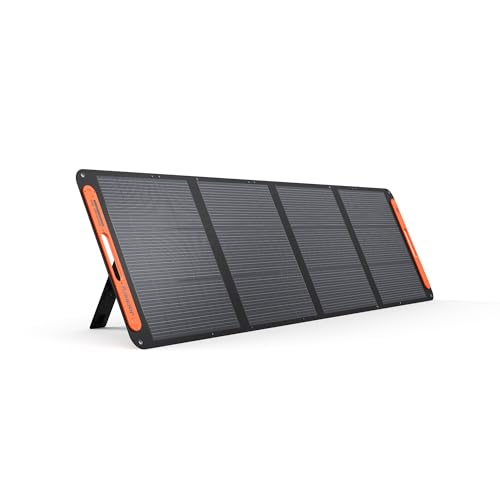
- 200W power rating
- Up to 26.7% bifacial efficiency
- IP68 protection and five-year warranty
Best For: Jackery owners charging larger power stations
Best Lightweight Pick

- Only 4.1 pounds
- PD USB-C, USB-A, and DC outputs
- IP67 water- and dust-resistant design
Best For: Travelers prioritizing low weight and compact storage
Best 200W Value Features
Renogy 200W Portable Solar Panel

- 25% efficiency with N-type cells
- Direct USB-C and dual USB-A charging
- Four kickstands with three angle settings
Best For: Overlanders wanting adjustable 200W campsite charging
Rugged 200W Pick
BougeRV N-Type Fiberglass Panel

- 200W output with 25% N-Type efficiency
- Fiberglass reinforcement and IP65 protection
- 8.2-foot cable with XT60/DC7909 connectors
Best For: Overlanders seeking durable 200W charging
High-Output Blanket
Renogy 400W Portable Solar Panel
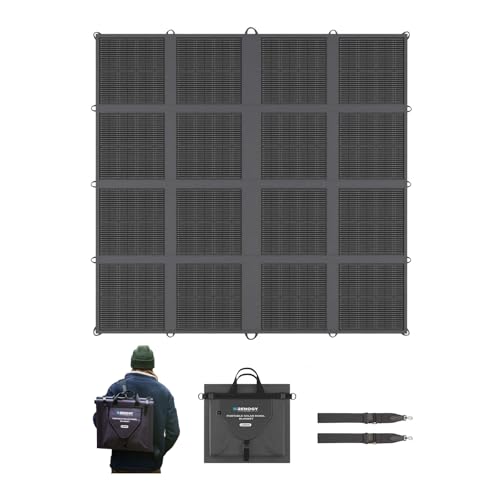
- 400W rated output with 25% efficiency
- 16-fold design for compact storage
- Multiple placement options for vehicles and campsites
Best For: Overlanders needing the highest rated output
Rugged Lightweight Pick

- 180W output with 25% N-Type 16BB efficiency
- IP68 protection with ETFE and fiberglass construction
- Five-in-one cable kit covers common connectors
Best For: Multi-device setups and rugged overland travel
Lightweight Trail Power
HQST 200W N-Type Portable Panel

- Up to 25% N-Type efficiency
- About 11 lb with compact folding design
- IP67 protection and multi-connector cable
Best For: Overlanders seeking a lightweight panel for compatible power stations
Connected Camp Charging
Twelseavan 200W Foldable Solar Panel

- 24% monocrystalline efficiency
- 60W USB-C and QC3.0 outputs
- Includes long cable and multiple adapters
Best For: Overlanders charging power stations and USB devices together
Complete Battery Setup
Renogy 200W Solar Suitcase Kit
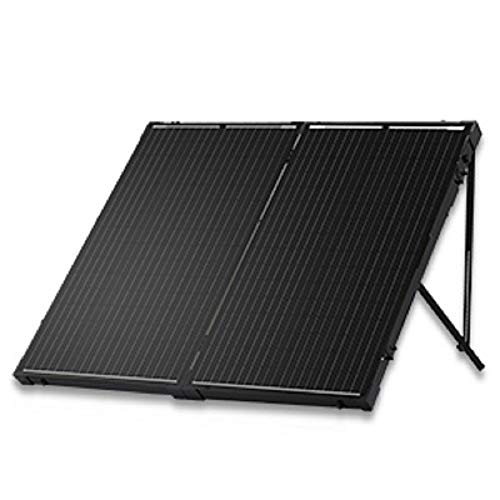
- Up to 25% N-Type efficiency
- Includes 20A PWM charge controller
- Designed for 12V batteries and power stations
Best For: Overlanders wanting a plug-and-play 12V charging kit
Best Universal Connector – ZOUPW 100W Foldable Solar Panel
The ZOUPW 100W is a practical portable solar panel for overlanding when you need broad power-station compatibility without carrying extra adapters. Its 23.5% efficient monocrystalline cells, adjustable kickstands, IP67-rated panel, and direct USB charging make it useful for campsites, RVs, and emergency backup.
Best For: Overlanders using several brands of portable power stations and wanting flexible connector options.
Pros:
- Includes five connector types for compatibility with many Jackery, EcoFlow, Anker, Bluetti, and generic lithium-battery setups.
- 23.5% efficiency and two adjustable kickstands support faster, better-angled charging.
- IP67 waterproof construction, ETFE coating, and built-in USB-C and USB-A ports suit outdoor use.
Cons:
- At about 9.5 pounds, it is heavier than some 100W alternatives.
- Actual charging output depends on the connected power station’s input limit.
Choose the ZOUPW when connector flexibility is more important than minimizing packed weight. The included 10-foot cable and multiple outputs simplify setup around a vehicle or campsite, while the foldable design keeps storage manageable.
Best High-Output Option – Jackery SolarSaga 200W Bifacial Panel
The Jackery SolarSaga 200W is a strong portable solar panel for overlanding when higher charging capacity matters. Its bifacial design and IBC technology are rated for up to 26.7% conversion efficiency, while the IP68 construction and 200W output are suited to demanding outdoor trips.
Best For: Jackery power-station owners who want higher output and a long warranty for extended adventures.
Pros:
- 200W rating and bifacial conversion provide more charging capacity than the 100W options here.
- Up to 26.7% efficiency is designed to improve output in lower-light conditions.
- IP68 water and dust resistance, 10-second setup, and a five-year warranty support regular outdoor use.
Cons:
- Its 14.3-pound weight is substantial for vehicle-based portability.
- The supplied cable is not weatherproof.
- Its listed compatibility is centered on Jackery Explorer power stations.
This is the best fit when you are already invested in Jackery equipment and want to replenish larger power stations more quickly. It packs down to about 24 by 21.7 inches, but its greater weight and brand-focused connectivity make it less universal.
Best Lightweight Pick – FlexSolar 100W Foldable Panel
The FlexSolar 100W is a particularly portable solar panel for overlanding, weighing only 4.1 pounds and folding into a compact package. It combines 23%+ monocrystalline efficiency with USB-C, USB-A, and DC outputs, making it useful when storage space and easy device charging are priorities.
Best For: Overlanders, hikers, and road trippers who prioritize low weight and compact storage.
Pros:
- At 4.1 pounds, it is notably lighter than the other panels in this roundup.
- Offers PD 3.0 USB-C, QC3.0 USB-A, and 100W DC outputs for simultaneous device charging.
- Includes a four-in-one cable and IP67 water- and dust-resistant construction.
Cons:
- Its 100W output provides less charging capacity than the 200W panels.
- The supplied details do not specify a kickstand system for angle adjustment.
FlexSolar is the convenient choice for compact vehicle kits or trips where every pound matters. Its wide unfolded footprint helps capture sunlight, while the included carry bag and multiple output options reduce setup hassle.
Best 200W Value Features – Renogy 200W Portable Solar Panel
The Renogy 200W offers a capable portable solar panel for overlanding with 25% efficiency, a foldable 13.9-pound design, and direct charging for small electronics. Four kickstands, multiple angle settings, and reinforced grommets make it well suited to positioning around an SUV, RV, tent, or campsite.
Best For: Overlanders wanting 200W capacity, direct USB charging, and adjustable campsite positioning.
Pros:
- 16BB N-type cells provide a stated 25% efficiency for strong output from available sunlight.
- USB-C PD 45W and dual USB-A ports can charge three devices directly.
- Four kickstands, 40°, 50°, and 60° angles, reinforced grommets, and magnetic closure support practical field use.
Cons:
- MC4 output is standard; the four-in-one adapter is sold separately.
- At 13.9 pounds, it is not the lightest option.
- Compatibility depends on the power station meeting the panel’s requirements.
Renogy balances high output with useful campsite hardware and a relatively compact folded size. It is a sensible choice if you can supply the necessary MC4 adapter and want more power than a 100W panel provides.
Rugged 200W Pick – BougeRV N-Type Fiberglass Panel
For overlanders wanting a portable solar panel for overlanding that balances output and durability, the BougeRV 200W model is a practical option. Its N-Type cells are rated at 25% efficiency, while the fiberglass layer and IP65 protection help it handle repeated outdoor transport and exposure.
Best For: Campers and RV travelers who want a foldable 200W panel with a long extension cable and straightforward XT60/DC7909 connectivity.
Pros:
- 200W output with claimed 25% N-Type conversion efficiency.
- Fiberglass-reinforced construction helps resist cracking and abrasion.
- Includes an 8.2-foot cable and XT60/DC7909 connectors.
- Folds with built-in handles and offers IP65 water and dust resistance.
Cons:
- At 13.8 pounds, it is heavier than the 180W ZOUPW panel.
- IP65 protection is less extensive than the IP68 rating on some competing models.
The BougeRV is a well-rounded choice when you prioritize a higher 200W rating, rugged reinforcement, and flexible panel placement. Confirm that your power station accepts its connector and voltage specifications before buying.
High-Output Blanket – Renogy 400W Portable Solar Panel
The Renogy 400W is designed for overlanders who need substantial charging capacity without carrying a rigid panel. This portable solar panel for overlanding uses a 16-fold blanket design, weighs 16.1 pounds, and supports several setup methods for vehicles, campsites, and tight storage spaces.
Best For: SUV, van, pickup, and RV users pairing a high-output solar blanket with a compatible power station.
Pros:
- Up to 400W of rated power with claimed 25% efficiency.
- Folds to a compact 16.54 x 15.83 x 4.13-inch size.
- Can be placed on a windshield or ground, or hung between trees or racks.
- UL 61730 certified and supplied with a two-year material and workmanship warranty.
Cons:
- MC4 output only; the 4-in-1 adapter is sold separately.
- At 16.1 pounds, it is the heaviest option in this selection.
- Real-world output depends on sunlight, shade, temperature, cable length, and the power station’s input limits.
The Renogy stands out for maximum rated output and compact folded storage. Its MC4-only connection makes compatibility planning especially important, so check your power station’s input requirements and budget for any needed adapter.
Rugged Lightweight Pick – ZOUPW 180W N-Type Panel
The ZOUPW 180W is a strong fit for overlanders who value broad power-station compatibility and weather resistance in a lighter package. This portable solar panel for overlanding weighs 12.4 pounds, folds magnetically, and includes a five-in-one cable kit for several common generator connections.
Best For: Travelers using Jackery, EcoFlow, Bluetti, or Anker power stations who want a lightweight, rugged panel with multiple included connectors.
Pros:
- 25% claimed efficiency from N-Type 16BB solar cells.
- IP68 waterproofing, ETFE coating, and a fiberglass backboard suit demanding outdoor use.
- Includes XT60, Anderson, DC7909, DC8020, and DC5521 connections.
- Two kickstands support a 45° ±5° setup angle, and a 36-month warranty is included.
Cons:
- Its 180W rating is lower than the BougeRV and Renogy panels.
- The power station must support 20V or more.
- The listed 55.19-inch length means it occupies substantial space when unfolded.
The ZOUPW offers a useful combination of low weight, extensive cable coverage, and IP68 protection. It is particularly appealing when your equipment uses different connector standards, but verify the power station’s voltage and input limits first.
Lightweight Trail Power – HQST 200W N-Type Portable Panel
For a portable solar panel for overlanding, the HQST 200W model stands out when low carry weight and fast setup matter. Its N-Type cells offer up to 25% efficiency, while the folding design, adjustable kickstands, and included multi-connector cable make it practical for charging compatible power stations at camp.
Best For: Overlanders who prioritize a lightweight, weather-resistant panel for portable power stations.
Pros:
- Up to 25% efficiency from 16BB N-Type cells.
- At about 11 pounds, it is notably easy to carry and folds to 1.97 inches thick.
- Includes XT60, DC7909, and DC5521 connections for broad power-station compatibility.
- IP67 waterproof construction and adjustable 40°–60° kickstands suit changing outdoor conditions.
Cons:
- Power-station compatibility still depends on voltage and wattage limits.
- The package is centered on power-station charging rather than a complete battery-and-controller kit.
Choose this HQST panel if trunk space, manageable weight, and straightforward deployment are more important than a built-in charge controller. The rigid frame and waterproof laminated construction also make it a reassuring choice for variable overlanding weather.
Connected Camp Charging – Twelseavan 200W Foldable Solar Panel
This portable solar panel for overlanding is designed for flexible charging, combining a 200W foldable panel with direct USB outputs and a broad MC4 adapter package. The 60W USB-C port, QC3.0 port, four kickstands, and long connector cable make it useful when several devices need power around camp.
Best For: Overlanders who want to charge a power station and smaller USB devices from one portable setup.
Pros:
- 24% conversion efficiency and up to 200W output in strong sunlight.
- Built-in 60W USB-C, 18W QC3.0, and standard USB outputs.
- Includes a 9.8-foot MC4 cable, multiple adapters, and compatibility with several major power-station brands.
- Four adjustable kickstands and a magnetic handle simplify positioning and carrying.
Cons:
- At 15.7 pounds, it is heavier than the HQST option.
- Its IP65 rating provides less water protection than an IP67-rated alternative.
- Maximum output depends on adequate sunlight and connected-device requirements.
The Twelseavan makes the most sense when convenience at camp is the priority. Its direct device ports reduce the need to route every small gadget through a power station, while the included adapters keep the panel versatile across different setups.
Complete Battery Setup – Renogy 200W Solar Suitcase Kit
For buyers seeking a portable solar panel for overlanding with more of the charging hardware included, the Renogy 200W suitcase kit is a practical option. It combines N-Type cells, an adjustable aluminum kickstand, a pre-installed 20A PWM controller, and alligator-clip cables for 12V batteries and compatible power stations.
Best For: Overlanders who want a plug-and-play 12V battery-charging kit rather than a panel alone.
Pros:
- N-Type cells provide up to 25% conversion efficiency.
- Pre-installed 20A PWM controller supports 12V portable power stations and several battery types.
- Tempered glass, an aluminum frame, and an IP65-rated junction box provide durable outdoor construction.
- Adjustable kickstand and suitcase-style folding design support off-grid and RV use.
Cons:
- At 28.5 pounds, it is substantially heavier than the other listed panels.
- The PWM controller is less feature-rich than an MPPT controller.
- The suitcase dimensions require more storage space in a vehicle.
This Renogy kit trades maximum portability for an easier battery-charging workflow. It is a strong fit for a fixed campsite or vehicle-based setup where the included controller and rugged framed construction outweigh the extra bulk.
How We Picked the Best Portable Solar Panel for Overlanding
We focused on panels suited to vehicle-based travel and off-grid charging rather than permanent rooftop installations. Selection criteria included rated wattage, cell efficiency, folding or suitcase portability, weather resistance, connector options, kickstand design, and compatibility with popular power stations. We also considered whether a panel is better suited to occasional weekend trips, extended expeditions, or higher-demand electrical setups.
Published output is measured under ideal sunlight, so real-world performance will usually be lower because of heat, shade, panel angle, dust, and cable losses. Higher efficiency can help when roof, ground, or campsite space is limited, but it does not eliminate the need for good positioning.
Quick Comparison
| Panel class | Typical use | Main advantage | Trade-off |
|---|---|---|---|
| 100W | Phones, cameras, small power stations | Lightweight and easy to deploy | Slower recovery for large batteries |
| 180–200W | General overlanding and camp appliances | Strong balance of output and portability | Bulkier and heavier than compact panels |
| 400W | Extended stays and high-capacity power stations | Faster charging in good sun | Largest footprint and more setup effort |
Key Buying Factors for a Portable Solar Panel for Overlanding
Power and Efficiency
Choose wattage based on your battery capacity and daily usage. A 100W panel can handle light electronics, while 200W is a more versatile starting point for refrigerators, lights, laptops, and frequent charging. Efficiency ratings around 23% to 25% are useful when space is constrained, but total panel wattage still determines potential energy production.
Compatibility and Connectors
Check the power station’s maximum solar input voltage, current, and connector type before buying. MC4 outputs are flexible, while adapters may be required for Jackery, EcoFlow, or other proprietary inputs. Built-in USB ports can charge small devices directly, but they are not a substitute for a suitable power station connection.
Weather Resistance and Construction
Water-resistant or IP-rated panels are better suited to changing campsite conditions, although they should not be left exposed to heavy rain unless the manufacturer permits it. ETFE surfaces, reinforced hinges, fiberglass construction, and sturdy cables can improve durability. Avoid placing any folding panel where vehicles or foot traffic can damage it.
Portability and Setup
Measure both the folded size and the fully opened footprint. Kickstands or adjustable legs make it easier to aim panels at the sun, but they add weight. For frequent moves, a lighter 100W or 180W model may produce more useful energy over a trip than a larger panel that is inconvenient to reposition.
Who Should Buy Which Portable Solar Panel for Overlanding?
Choose a 100W panel if you prioritize low weight or mainly charge small devices and compact power stations. A 180W or 200W model is the best all-around choice for most overlanders who want a practical balance of charging speed, portability, and cost. Look for a waterproof, rugged design when travel conditions are unpredictable. A 400W panel makes the most sense for longer stays, large battery banks, or users running refrigeration and other continuous loads. If you already own a Renogy suitcase system or need direct 12V battery charging, a panel with an included charge controller may be more convenient than a power-station-only model.